The First Episode
Who is The Cadre?
Two Marines still in uniform — one of them already running courses on the side — and one civilian-side teacher who'd cleared the road out years before. By the time they hit record, the Marine Scout Sniper community they all came up in had been disbanded. This is the origin story, straight from the founders — and part of why they want to give back to the snipers still in the seat.
- Recorded
- April 3, 2025
- Runtime
- 1:42:13
- Origin
- Marine Scout Sniper · Three coasts
- Founded
- 2024
On the mic
Why episode one matters
If you only listen to one episode, this is it.
Most podcast number ones are a throat-clear. This one isn't. It's the only place the three founders sit at a table together — in three different time zones, on three different sides of their military careers — and answer the question the company gets asked more than any other: who are you guys, and why does this exist?
The short version: Phil, Jon, and Matt kept running into each other for a decade — the same platoons, the same schoolhouse, the same breaching course — then stayed in light touch through the years Phil was out, and rebuilt the team a unit at a time over text messages and reloading-room visits. They were always going to do this together. The Cadre is the version where they finally did.
Listen for the moment Phil texts Solo what do you think about John? — and the one-word answer that turned three founders into a company.
The standard, up front
This is what we mean when we say standard.
If you sign up for a Cadre course, here's what we're committing to. Not as marketing copy. As the operating system the team agreed to before the first paid student walked on the line.
You will see us shoot — every course, every drill. We run the course of fire in front of you before you do, because a YouTube clip can be take fifteen, but the demo in front of you is the rep that just happened, under the same wind, on the same gun.
You will get the why, not just the steps. The reason a step exists, what it's solving for, and when it doesn't apply. The mechanic doesn't just hand you the wrench.
You will get the same standard whether you train with Phil in Alaska, Solo in North Carolina, or Jon in Texas. A Cadre Foundation should mean a Cadre Foundation — that is the whole point of the team being a team.
You won't need to ask an adult. That's Solo's pet phrase — I need an adult — and the whole point is that you walk away never needing to say it. You may not have every answer the day you leave, but you'll have what Solo calls the 70% solution to getting the answer, and what Phil calls finding the truth for yourself. And the line's still open: "When you said this, did you mean this?" gets a reply. The course is where it starts.
We stay relevant. Competitors compete. Hunters hunt. Operators stay in the door. It's not us waving a shirt from twenty years ago. Phil keeps coming back to the Eddie Murphy bit to say it plainly: what have you done for me lately? Nobody cares what you did yesterday — what are you doing today? Whatever your instructor brought to the team, they're still doing it this year.
That's it. The rest of this episode is how we got here, and who's on the team that's going to hold to it.
It's not about what I have done. It's about what I'm still capable of doing.
The three at the table
Three founders, three versions of the same decision.
One out the door. Two still in uniform on day one of the recording — both with end-of-career horizons already locked in. The conversation only happens because all three were willing to make the call.

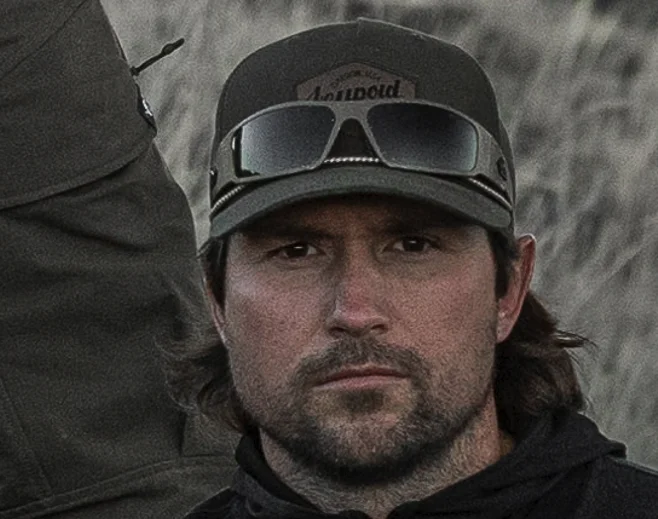
Phil · The one who walked out first
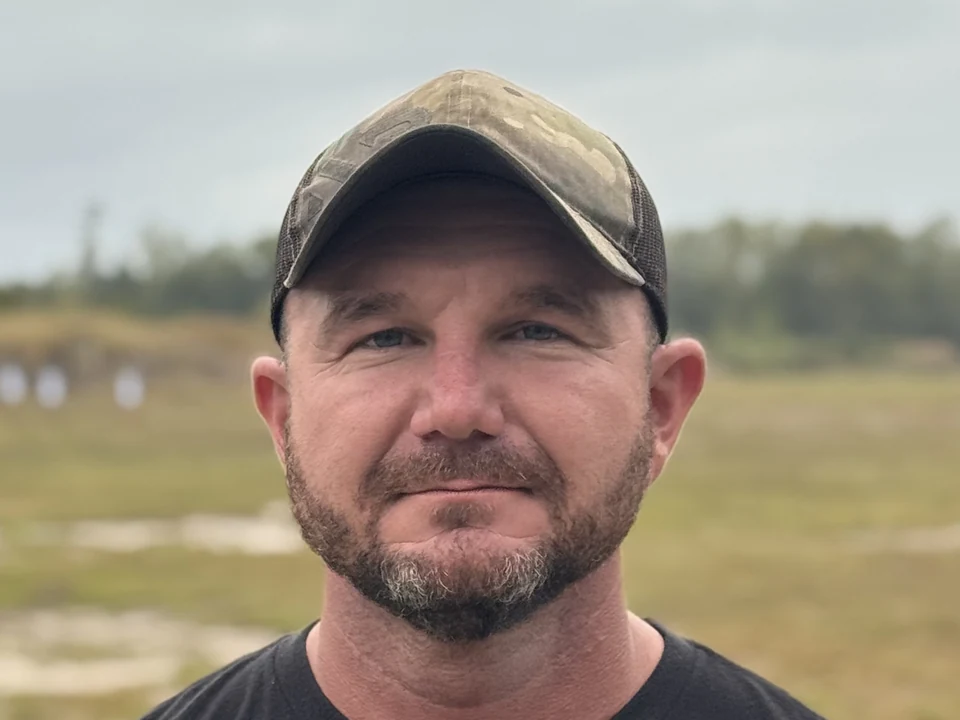
Phillip Velayo
Phil got out at just shy of eleven years — July 2019. The Marine Corps was never going to be his retirement, and he knew it before the rest of the team did. He taught at Gunwerks, then at Modern Day Sniper, then stepped out on his own and built a life as a working precision rifle instructor — his own competition résumé, his own name in the long-range community, his own house in Cody with a reloading room that became the first piece of physical infrastructure The Cadre conversations happened around. The transition Solo and Jon are watching when they think about their own end-of-service is the one Phil already made.
He'll tell you the transition wasn't clean. Born and raised in Anchorage, Alaska, Phil spent eleven years being told he was the baddest man on the planet — then got out, and the floor dropped: Who am I? What do I do? The precision rifle community is what caught him. He found a match, found people willing to lend him a bag and teach him, and found a way back to the gun. That's not a footnote to why The Cadre exists — it's the heart of it. The 2025 Alaska courses aren't a tour stop; they're Phil coming home to teach in the town he grew up in, thirty-six years later.
He's also the founder who's most explicit about why this exists. The pain points he names on the episode — instructors who won't demo, "Foundation" courses that mean different things in different rooms — are the things he watched up close in the civilian world after he got out, then carried back to a team of guys who'd grown up on the schoolhouse standard. He runs the company side. He's also the one who texts Solo about Jon three days after watching Jon load ammo at his kitchen table.
If The Cadre has a thesis, Phil writes it: it's not about what I have done. It's about what I'm still capable of doing.
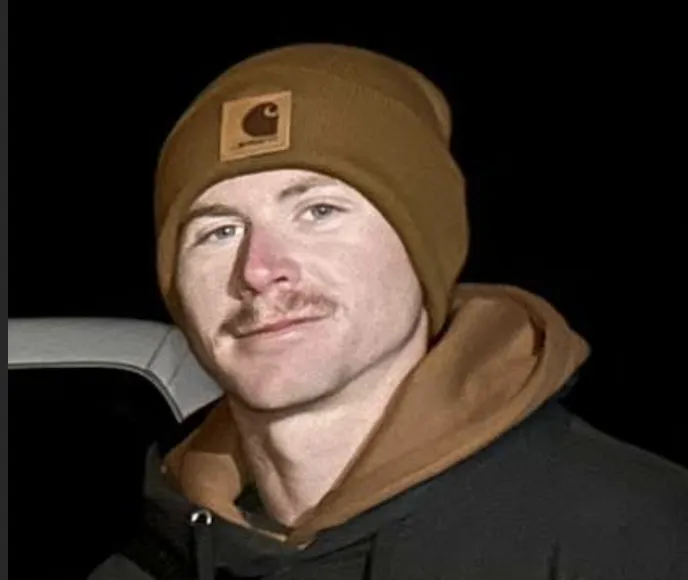
Solo · The East Coast version, before The Cadre had a name
Matt Solowynsky
Solo is still in. Master Sergeant, operations chief at Quantico as of recording, with chief-instructor time at Second TG's urban and aerial sniper programs at Camp Lejeune behind him. The reason that matters is that by the time The Cadre conversations started, Solo had already been running a version of this on the side for two years.
In November 2021, he brought his entire EOTG instructor staff to Phil's Pig River course — three weeks of curriculum he wanted to feed back into the Marines he was about to deploy. Two months later, his gunsmith Lee opened a new range at Alliance Outdoors in Maysville, NC, and called Solo and Rob to run a class. Two days, eleven shooters, everybody walked out happy. Monday morning, Solo Googled how to start an LLC, paid $128, and RS Solutions existed forty-five minutes later. The Cadre didn't come together from scratch in 2024 — it came together on top of two years of Solo already running a version of it under a different name.
Solo is also the one who pulls Phil back in. He calls — what are we doing? — and Phil hedges, says he doesn't know. The way Solo tells it, it was a John Wick moment: I'm thinking I'm back. I'm thinking I'm back. That's the call where Phil decides to re-enter. A few days later, when Phil's text comes in about Jon, Solo's answer is one word: sold.
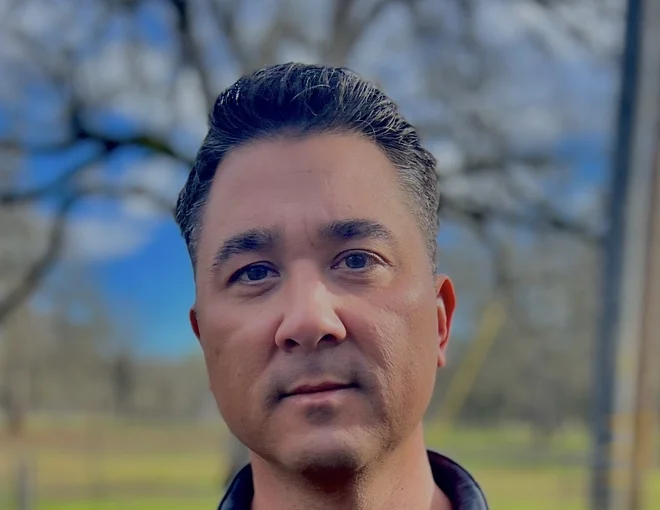
Jon · The shooter's voice
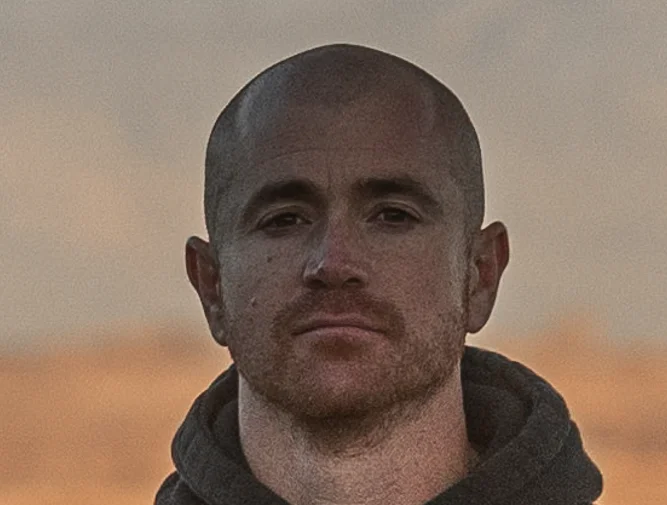
Jon Bumpus
Jon is the founder still in uniform full-time, and he's also the one Phil and Solo both name when they describe what a shooter on the staff actually sounds like. He came up Marine Recon Scout Sniper, taught breaching at the Methods of Entry schoolhouse — where Solo was eventually his student — and is now running urban and aerial sniper programs at Camp Pendleton STB. His last duty station, incoming, is Texas, where he'll close out a Marine Corps career and step into running courses with Phil and Solo full time.
The call that turns three founders into a company is the one Phil makes to Solo after Jon spends seven days at his house ahead of She Mountain in 2024 — deep in the reloading room, on the wind charts, eating into Phil's bench time the way you only do when you've already decided the work matters more than the social rules. What gives that week its weight is the gap behind it: it was the first time Phil and Jon had really trained together since they left the schoolhouse in 2015 — nine years. In Phil's words: I saw his passion when I stuck him in my reloading room for seven days, and I was like, this dude's got the bug like I did.
Jon's job on the team is the one that's hardest to spell out and easiest to feel on the line. He's the shooter whose feedback the rest of the staff actually changes their setup over.
The crossings
A decade of paths that wouldn't stop crossing
If you laid Phil's, Matt's, and Jon's careers on a single map, they'd look like three rivers that keep merging and splitting and merging again. Same units, different windows. Same schoolhouse, different chairs. The Cadre is the next merge — and this is how it got here.
-
Phil gets to the platoon
Two years before he and Solo end up in the same platoon at First/Fourth Marines.
-
Phil and Solo cross paths
Solo takes the 14 indoctrination at First/Fourth and gets selected. Three weeks later he and Phil are both being pulled to sniper school.
-
Solo takes his first crack
Selected on short notice after two senior sergeants got hurt — Stop broke an ankle, Brad broke a knee. Solo had twenty-one days with the platoon before he was up. Goes nine weeks at 2-Tac 11. Doesn't pick up. Re-attacks the next course and finishes 3-Tac 11.
-
Phil and Jon at the schoolhouse
Phil checks in to instruct. Jon — the recon Marine billet — arrives a week or two later. They start Class 1-15 together and run three back-to-back courses on staff.
-
Jon leaves the schoolhouse early
Goes TAD back to First Recon to take a team on deployment as a team leader. Officially out of the schoolhouse by December.
-
Solo lands at the schoolhouse
Arrives as an instructor — not a student. Overlaps with Phil for Solo's last two or three courses. Leaves in 2018 for Second TG at Camp Lejeune.
-
Phil hangs it up
Leaves at just shy of 11 years, July 2019. Teaches at Gunwerks, then Modern Day Sniper. Builds a life as a professional precision rifle instructor.
-
Solo and Jon stay in
Solo to Second TG and then Quantico — promoted to Master Sergeant, then ops chief. Jon to MOE breaching at Quantico (where Solo ends up as his student), then back to First Recon as a platoon sergeant, then to Camp Pendleton STB.
-
Solo brings his staff to Phil
Solo brings his entire EOTG instructor staff to Phil's Pig River course in November — three weeks of curriculum he wants to feed back into the Marines he's about to deploy.
-
RS Solutions stands up
Solo and Rob run a two-day course at Alliance Outdoors for eleven shooters. Monday morning, Solo Googles how to start an LLC, pays $128, and RS Solutions exists forty-five minutes later. The East Coast side, two years before The Cadre has a name.
-
A week in the reloading room
Jon spends seven days at Phil's house ahead of She Mountain. Phil sees the bug. Texts Solo three days later: "What do you think about John?"
-
The Invite
First instructor development week. Live-fire eval on day one. Murder boards. 85–90% hits across the entire team. The Cadre is real.
As Phil put it on the episode — it's crazy how all of our timelines are just inter-woven — echoing Jon a few minutes earlier: our timelines were so similar.
Why didn't I think of that guy?
Why this company exists
What this exists to fix.
Two things The Cadre exists to fix. Everything else — curriculum, hiring, the cadence of this podcast — runs downstream of these two.
Walking the walk.
Too many instructors won't shoot in front of their students. Phil hears the same line at every Cadre course: "I have never seen an instructor do a demonstration in front of me — until you." The reason that matters is simple. A YouTube clip can be take fifteen. A demo in front of you is the rep that just happened, under the same wind, on the same gun, in the conditions you're about to shoot in.
That's the bar for the team. If you can't run the drill you're about to teach, you're not on the staff.
Standardization.
In the Marine Corps, "you graduated from Scout Sniper School" was a known quantity. Same syllabus, same standard, same checks. In the civilian precision rifle world, "Foundation" can mean two completely different things at two different schools — and an "advanced" course can end up teaching natural point of aim because the students walked in without it.
The Cadre solves it the same way the schoolhouse did: one shared standard the whole team is held to, regardless of who teaches your class. That's not a slogan — it's the reason the instructor development weeks exist, and the reason a Cadre Foundation should mean the same thing whether you take it in Alaska, North Carolina, or Texas.
Depth, not surface.
That standard traces back to one man. Phil calls him the godfather — Gene Howenstein, a former Marine sniper and recon Marine who taught Phil at Urban Sniper. Gene's line stuck: if you're the sniper in a room full of other shooters, you should know everything about every precision rifle in that room. A tall order — and Gene didn't just say it, he lived it. That's the depth-of-knowledge bar the whole team holds to.
Jon has a name for the difference it makes. There's the subject matter expert, who can talk the surface-level details — and the substance matter expert, who can talk all the nitty-gritty in between. The why behind the why. That's the gap a Cadre course is built to close, and it's why even experienced shooters walk out of a Foundation course having learned a ton.
The selection
Picking the rest of the crew was the easy part.
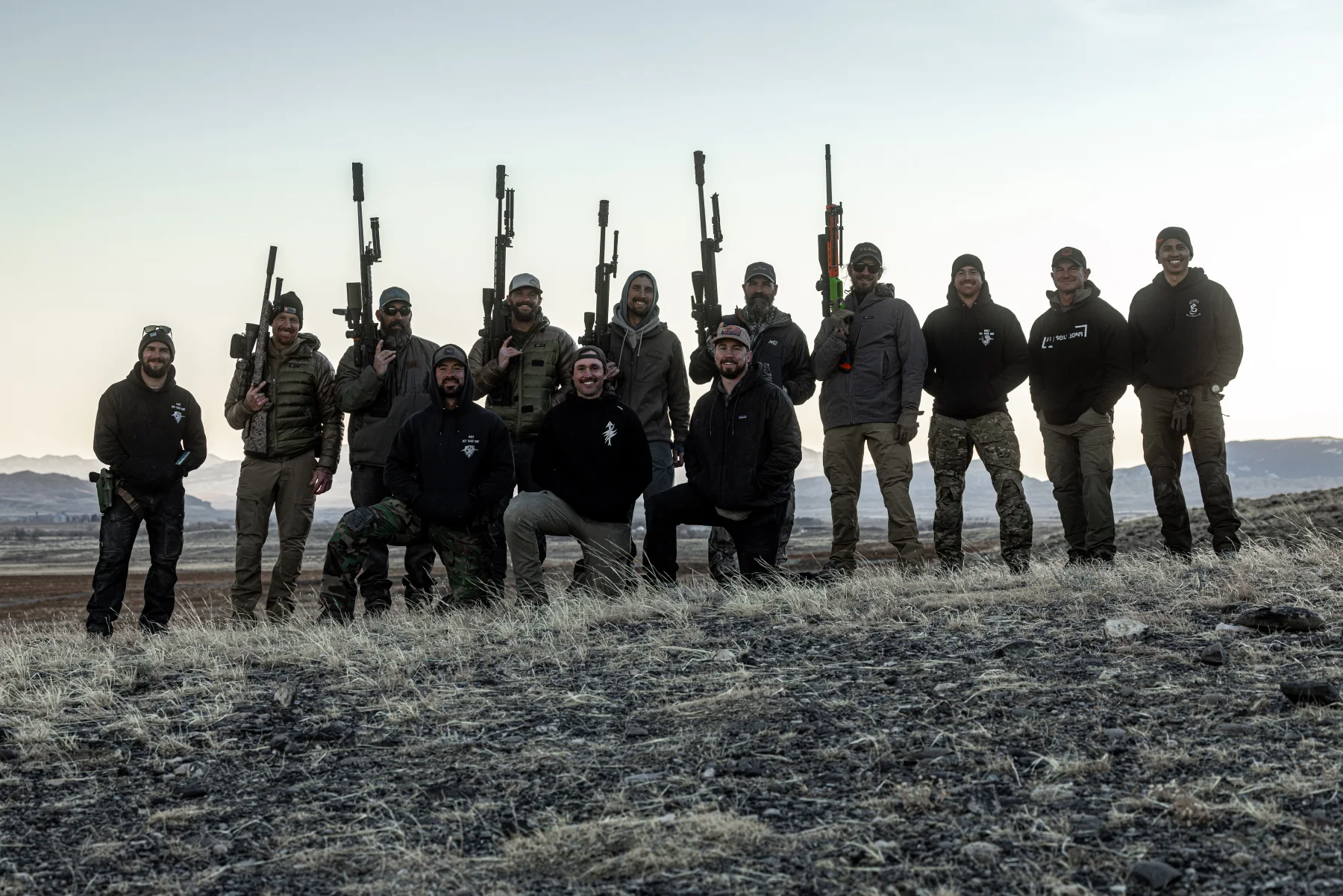
After Phil and Solo agreed, the team came together over a few weeks of text messages. The pattern was the same every time: someone's name comes up, both of them go “sold,” and the next name comes up — “bring him into the black hoodie crew.” The hardest decision was where to stop.
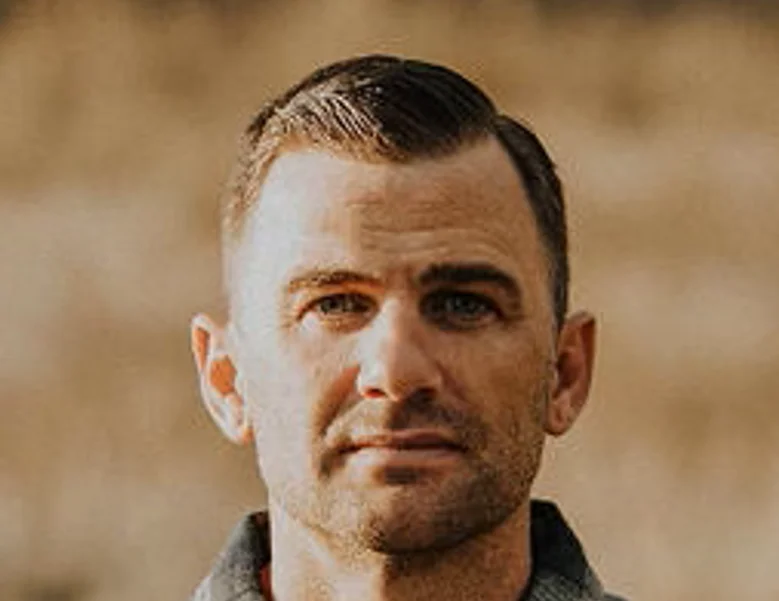
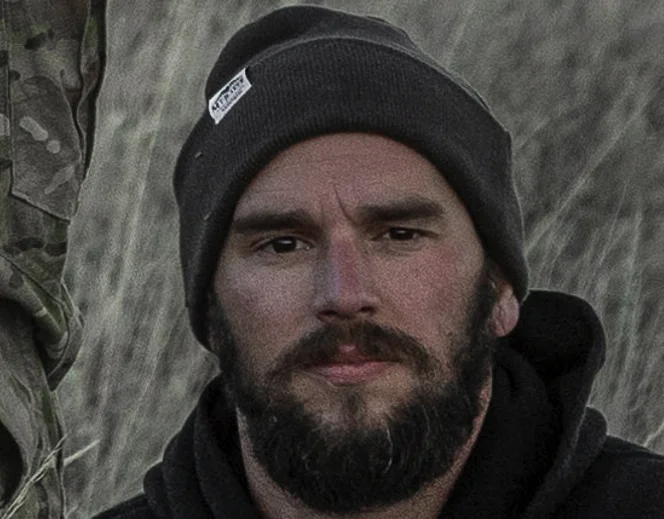
Every instructor on the team reached out to one of the founders first. None of them got recruited cold. Steve Holland came up through Scout Sniper School with Phil and Jon — Phil and Jon put him through the course themselves. He's the hunter on the team, the one who'd rather be out chasing coyotes than answering email. Eric D'Oro came through Scout Sniper School three times — Phil instructed all three runs. "An itch that can't be scratched" is how Phil describes it on the episode.
Ian Miner is the competition voice on the staff. Beau is the other hunter alongside Steve. Caleb rounds out the operator side. Each one had reached out to Phil or Solo or Jon at some point in the months before the team came together — every name that came up got the same one-word answer back from the other two: sold.
What they have in common isn't a résumé line. It's the willingness to put their ego aside and shoot the drill in front of the students they're about to teach. The willingness to travel out of pocket to a development week in Wyoming and get dissected by their peers. The willingness to commit to a standard before there's any guarantee the company will pay them a dime.
Nobody got dissected cold, either. In the months before anyone flew to Wyoming, every instructor had a monthly assignment — film yourself cleaning your rifle, say — so the founders could gauge two things at once: how well a guy actually knew his system, and how he came across on camera. By the time of the Invite, the difference in how comfortable they'd gotten was already obvious.
Day one of the Invite ran a live-fire evaluation across short, medium, and long-distance drills. Every shooter on the team finished within five rounds of every other. The lowest score was a 94 out of 100. Phil's reaction, more or less, was that the crew was too easy.
How an instructor grows
Instructor → teacher → developer.
Late in the conversation, Phil names a framework he and Nick Bizone landed on for how an instructor actually grows. It's not a credentialing ladder. It's an honest description of three different jobs that look the same from the outside but aren't.
The first rung is instructor. You know the material. You can deliver it cleanly. You hit the bullet points, the drill runs the way it's supposed to run, and the students who already knew most of it walk out a little better. That's the starting line, not the finish line.
The second is teacher. The teacher reads the room. The teacher finds the angle for the one student who isn't getting it — the analogy that lands for the hunter, the math that lands for the engineer, the rep order that lands for the operator. Same material, delivered differently to twenty different people in the same morning. Most instructors never make it here. The ones who do are the ones the students still text two years later.
The third is developer. The developer creates new material. Improves the curriculum. Trains the next instructors. The explicit job of the whole team — and the reason every instructor development week exists — is to keep moving everyone up a rung.
There's a learning model underneath all of it that Solo sums up in three words: saturate, incubate, illuminate. You take in more than you can hold, you let it sit, and one day it clicks. That's why you can call after isn't a courtesy — it's part of the process. Some concepts land in thirty minutes. Solo will tell on himself: one of them took him nine years after the fact to finally click. Even the founders are still on the journey, which is the whole honest point of the ladder.
Phil's line, the one that sits underneath the whole framework: "I want to take a great shooter and make him phenomenal." That ambition is what this is for.
The real closing thought
You don't have to train with us to start.
For all the talk about the team, the episode ends pointed outward. What the founders want most is to be a beacon of light for the next sniper or shooter wondering if this is even possible. So before any pitch for a course, here's the advice Phil gives every time someone asks: find your local precision rifle community and go to a match. Tell them where you came from. Most people will lend you a bag, lend you gear, and bring you in. Jon's version is shorter: dive head first, because you won't regret it.
Where to find us in 2025
- Alaska Phil's homecoming. Performance & competition in Kenai (Jun 4–6); Foundation (Jun 8–11) and Intro to Competition (Jun 12–14) in Talkeetna.
- North Carolina Solo at Alliance Outdoors, Maysville. Foundation (Sep 17–20) and Intro to Competition (Sep 22–25).
- Texas Jon at Gravestone Precision, Dallas–Fort Worth. Foundation (Dec 2–5) and Intro to Competition (Dec 7–10).
Train with us
Now you know who we are.
The podcast is the conversation. The course is where the work happens. Same instructors, same standard — on the range with you. Pick a class on the calendar and come see for yourself.