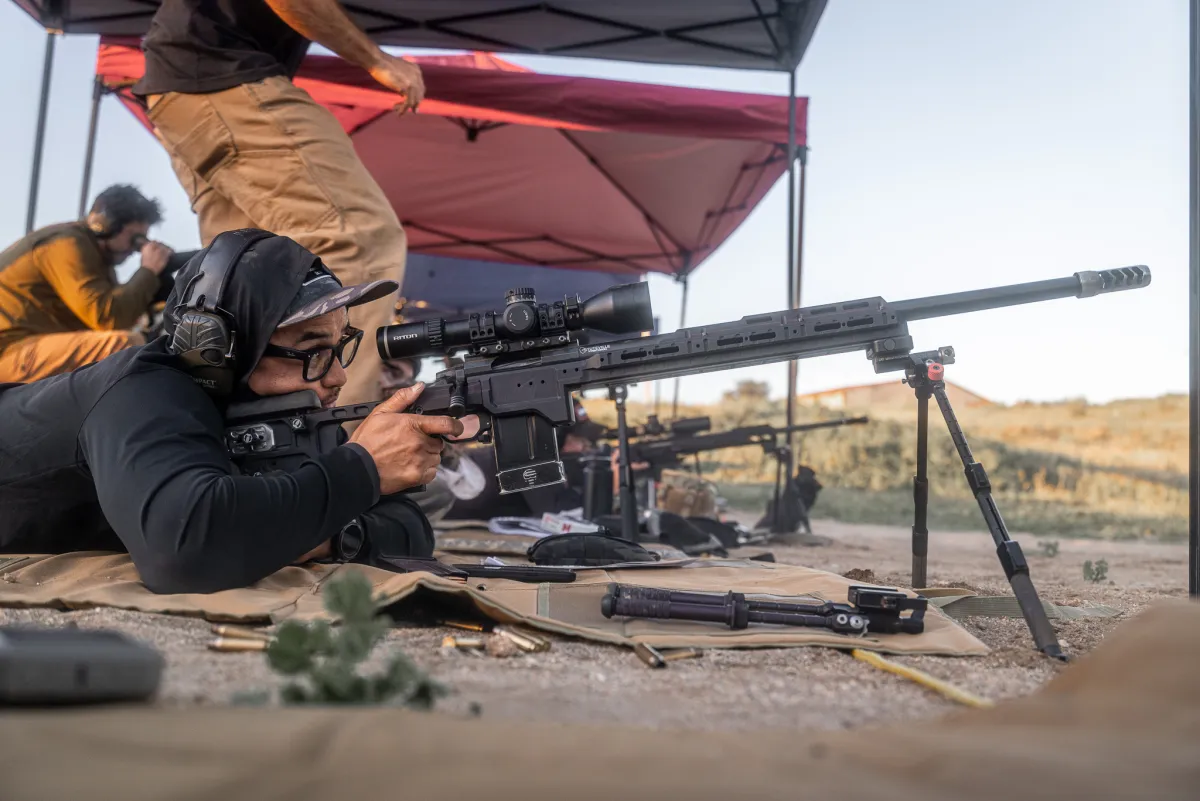
Level 1 · No prerequisite
Foundation
Build the foundation everything else stands on.
- Level
- Level 1
- Length
- 3 days
- Class size
- 8–12 students
- Tuition
- from $900
Course film
Foundation is where the guessing stops.
In three minutes, Phil breaks down who Foundation is for, how the course builds from rifle fit to wind, and why you leave with a process you can rebuild on your own long after the course ends.
Who it's for
Everyone starts here.
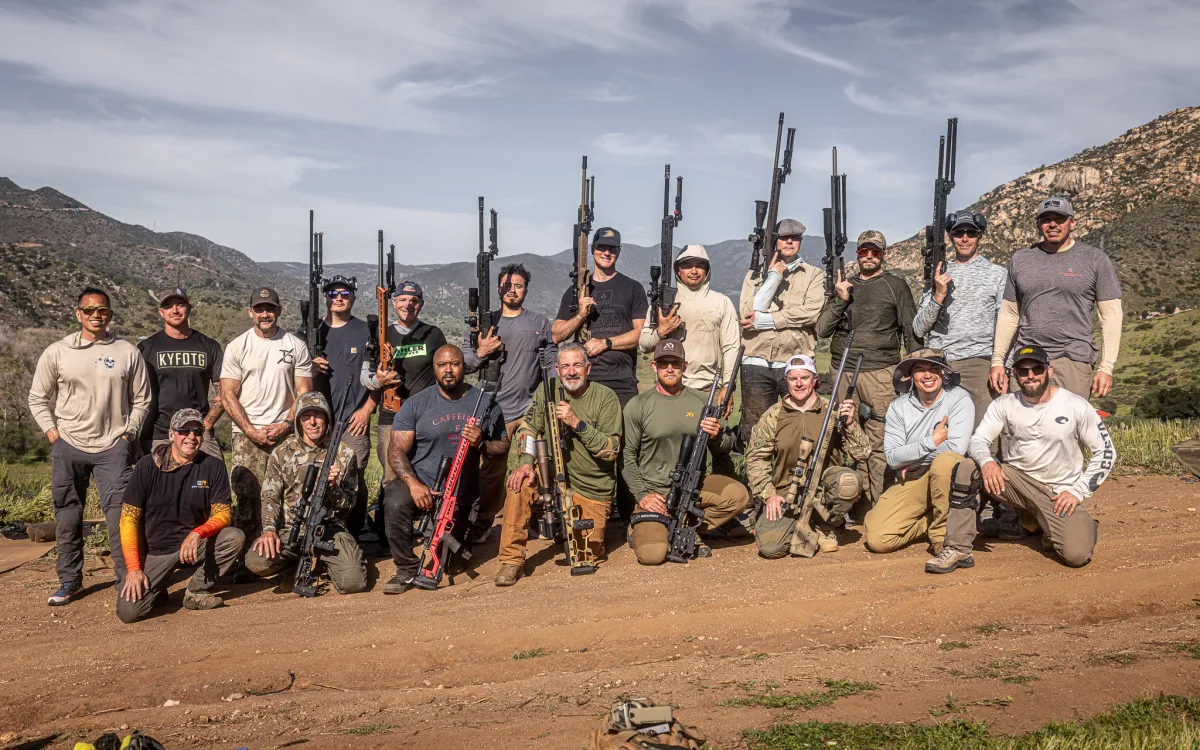
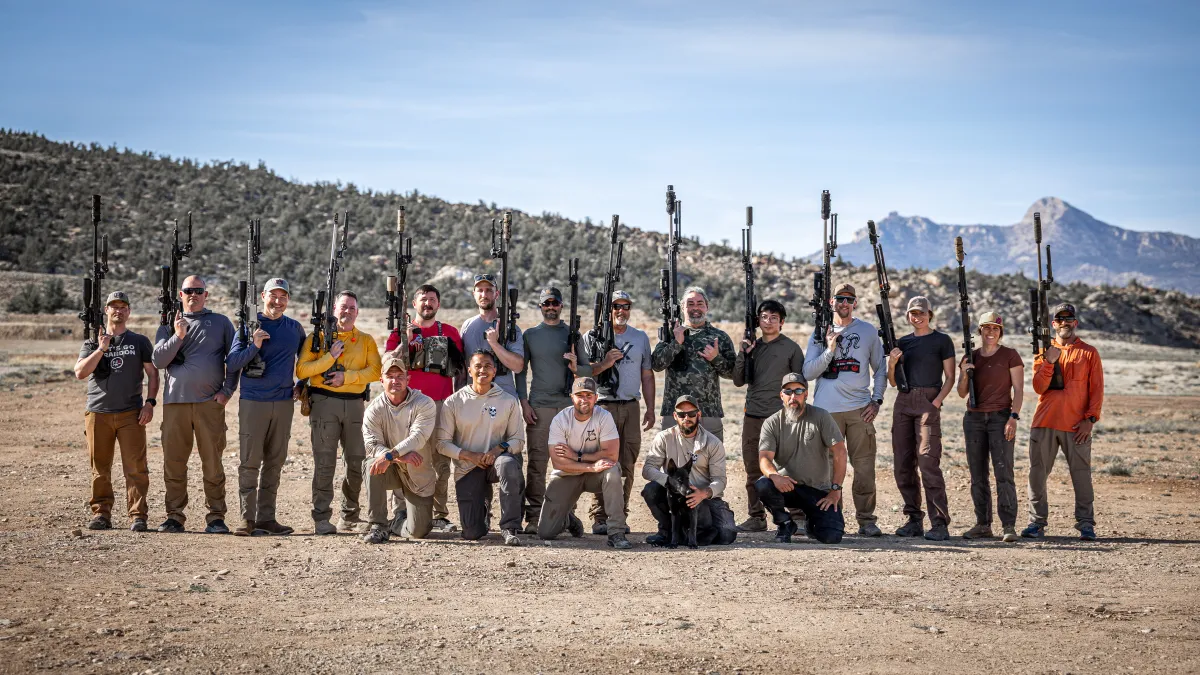
Foundation welcomes shooters of every background: first-time precision shooters, hunters moving past the bench, and veteran competitors filling the gaps nobody ever taught them. There's no prerequisite. The only thing we ask is that you come with an open mind and a rifle that's roughly zeroed.
We've watched shooters with decades behind a rifle find a click in week one they'd been missing for years. Fundamentals don't expire, and they don't care how much you've shot.
Day by day
How the course runs.
Built in order, because skipping steps is how shooters end up guessing for years. Every block ends with you proving it. Three days, start to finish.
Day 1 System, setup & first rounds
6 blocks
Start with the rifle and the shooter behind it, then get on paper, find out where you actually stand, and lock in data you can trust.
A rifle set up to you is the difference between fighting the gun and driving it. And once the shot process runs on its own, good hits stop being luck and start being something you can repeat on demand.
The precision rifle system
ClassroomAction, barrel, trigger, chassis, optic, ammo: what each part does and why it matters for what you're trying to do.
Rifle setup & fit
ClassroomLength of pull, eye relief, cheek weld, diopter. We set the rifle up to your body before you ever fire it.
Rough zero
Live fireFirst rounds downrange. Get on paper and establish a working 100-yard zero to build from.
Pressure test
AssessmentA baseline shooting test: an honest look at where you are right now, before we change anything.
Foundational mechanics
ClassroomThe seven-phase shot process, the sequence we run on every single shot, taught the way we were taught. This block runs deep, so we wrote the whole thing up for you to study before class.
Read: Foundational MechanicsZero confirmation & velocity
Live fireConfirm your 100-yard zero and collect muzzle velocity over the chronograph. Those are the two numbers everything on Day 2 is built from.
Day 2 Solvers, wind & known distance
6 blocks
Build a trajectory you can trust, learn a wind process, then stretch it out to known distance.
Most shooters trust numbers they never checked. You'll leave knowing your dope is honest, not theoretical, and how to rebuild it. Wind is the hardest part of shooting at distance, so we don't hand you a guess. We give you a process.
As we teach, we test. Shooter-spotter pairs are how distance shooting is done in the field, and the fastest way to get better is to learn to read it for someone else.
Your ballistic solver
ClassroomBuild the profile, compare Hornady 4DOF and Kestrel basics, and understand the numbers before you trust them.
Truing your data
Live fireValidate dope against real impacts so the solver matches your rifle instead of a theory.
Wind class
ClassroomRead direction and velocity, make a call, and apply it the same way each time.
KD1 & KD2: known distance standards
Live fireShoot the Cadre known-distance standards from 100 to 1,000+ yards when the range allows, applying mechanics, data, and wind on steel.
Range finding & UKD
ClassroomRange the target, build dope, and dial your own unknown-distance solution using the R.A.N.G.E. Me process.
Shooter / spotter teams
Live fireWork in pairs to range, spot, communicate corrections, and run the engagement together.
Day 3 Standards, the qual & what comes next
3 blocks
Put more rounds downrange to lock it all in, shoot the Cadre standards qual, then get a look at where your shooting goes from here.
Call for time, shoot the qual, and see where you stack up.
Consolidation & rounds
Live fireMore time behind the gun. Apply your data, wind process, and positions across known and unknown distance until it's second nature.
Cadre standards qual
AssessmentThe real thing. Anyone who wants to shoot a Cadre standard gets their run at it: an honest measure of where you stand and what comes next in the progression.
What comes next
ClassroomA sneak peek at the next level of Cadre training: shooting positions, dynamic positions, tripod work, and how the follow-on course helps you progress as a shooter.
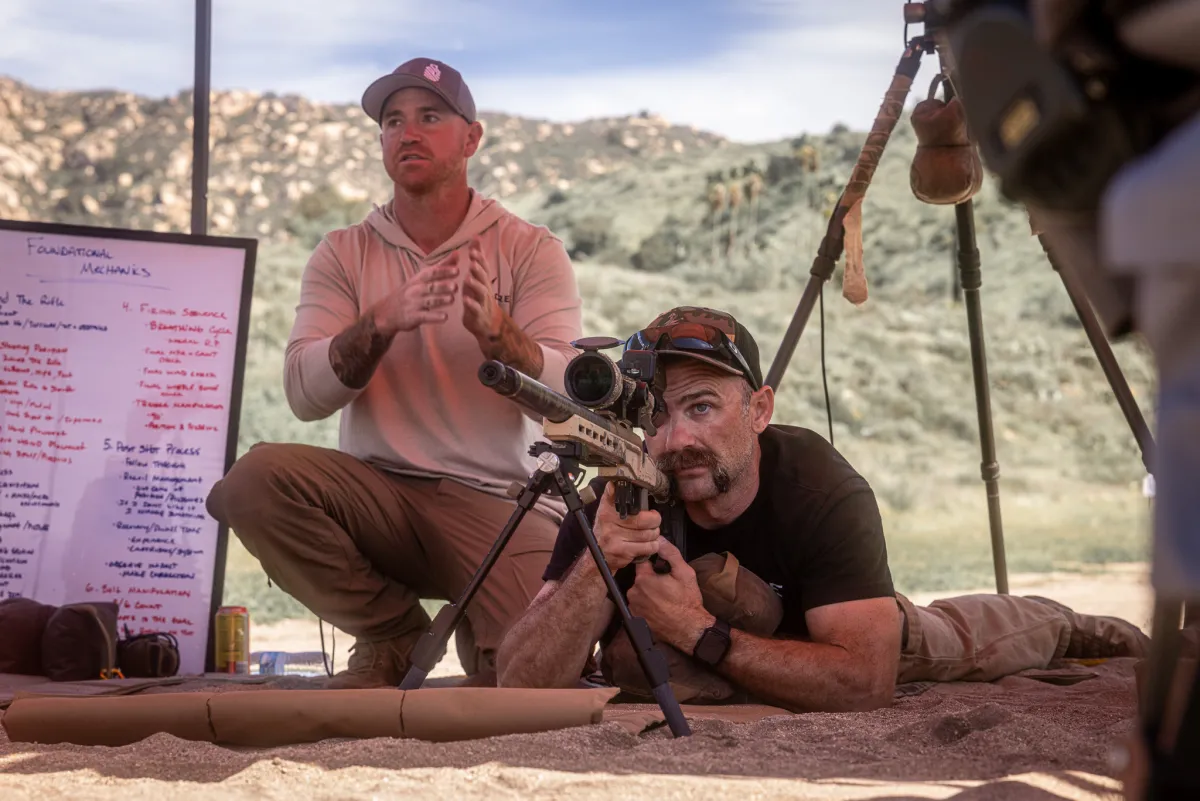
“You could have a $10,000 rifle, but if you're a $10 shooter, at the end of the day you have a $10 precision rifle system.”
What you'll walk away with
Capabilities, not notes.
Most courses tell you what you'll learn. We care about what you'll be able to do. By the last afternoon, any miss you make is a wind problem, not a shooter problem.
- Safely handle and run a precision rifle system
- Pick the right rifle and cartridge, or spec a build, for your goal
- Set the rifle up for stability and recoil management in any position
- Zero at 100 and know your system’s real capability and limits
- Build a stable, repeatable prone position on demand
- Program and actually trust a modern ballistic solver
- Hit known distances from a solid foundational position
- Spot for a partner: read wind, identify trace, communicate the correction
- Run a consistent wind process and build an honest firing solution
On the range
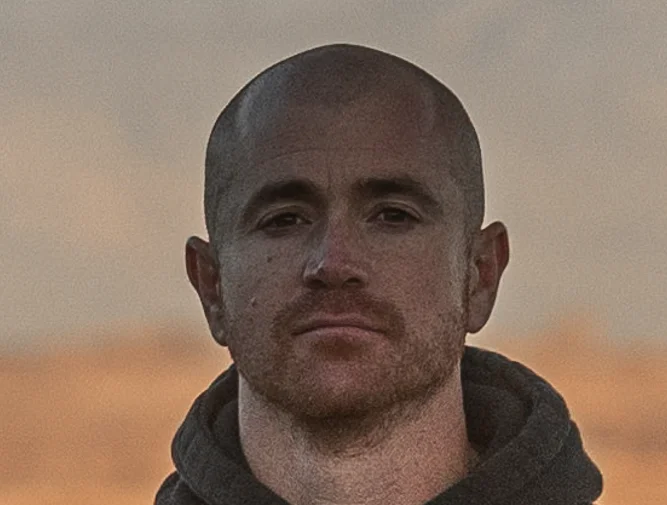
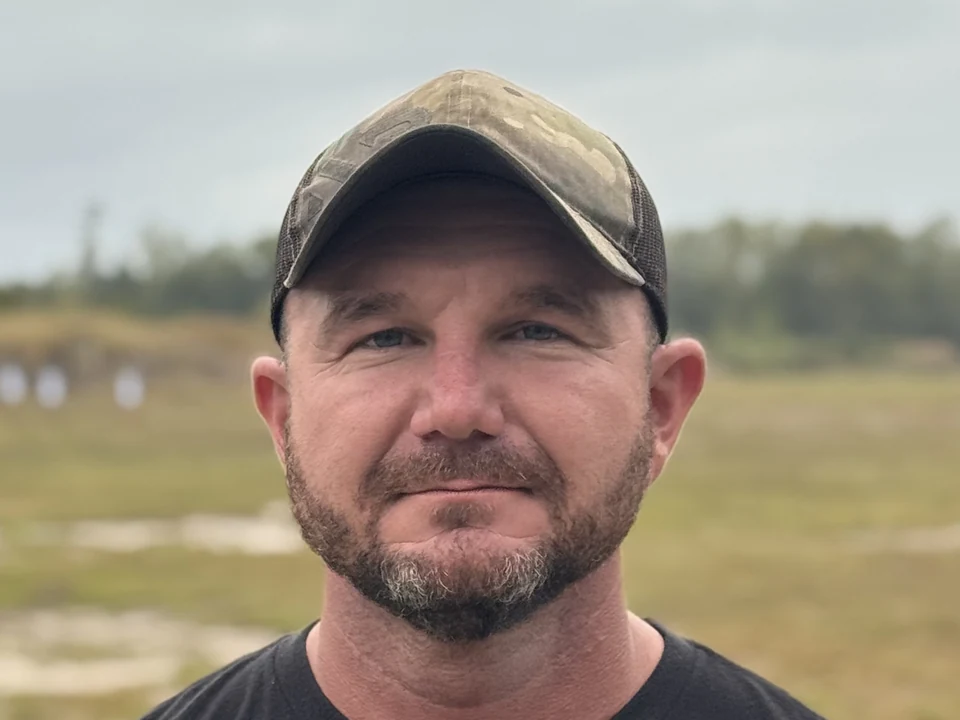
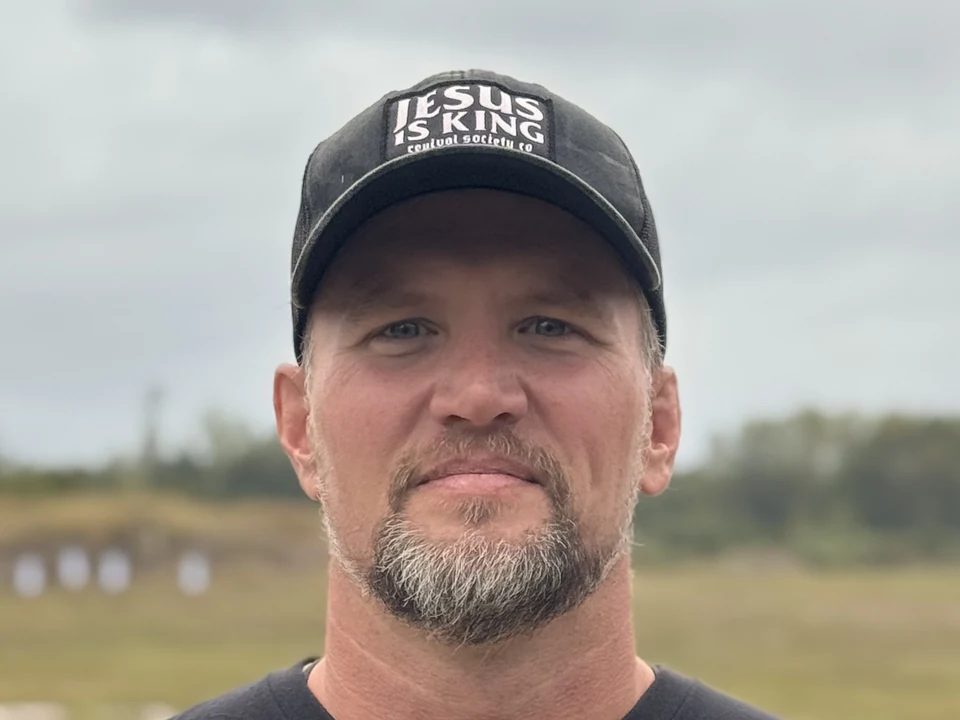
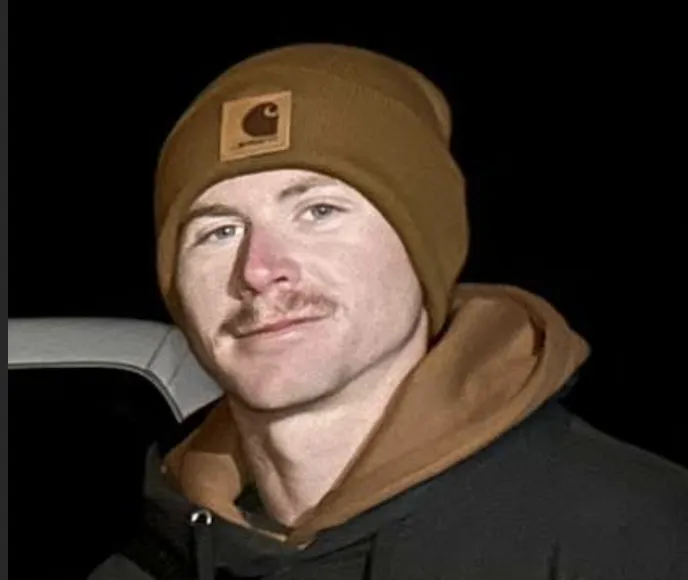
Taught by former Marine Scout Sniper instructors.
50+ years of combined time behind precision rifles. Guys who shoot the drill in front of you before they ask you to. No has-beens, no gimmicks. Just what works, proven on the range.
Gear & logistics
What to bring.
- A precision rifle capable of under 1 MOA, with a rough 100-yard zero
- A precision optic with a level
- Bipod and rear bag
- Two magazines
- A ballistic solver. Hornady 4DOF is free.
- 400 rounds of match-grade ammunition, minimum, all from the same lot.
A full gear list (required, recommended, and personal sustainment) is sent the moment you register.
See the gear our instructors runLevel 1 syllabus See the full syllabus 6 modules
The full Level 1 syllabus: the system, the mechanics, the data, and the shooting. Nothing here is theory for theory's sake; every block ends with you proving it on a target.
The precision rifle system
- Action, barrel, trigger & chassis: what each does
- Cartridge & bullet selection for your application
- Muzzle devices: brakes vs suppressors
- Bipods, magazines, rear bags & support gear
Rifle setup & fit
- Length of pull, grip & firing-hand mechanics
- Eye relief & eliminating scope shadow
- Cheek weld vs. jaw weld: building a repeatable head position
- Diopter focus, set correctly, once
Optics 101
- Mil vs MOA
- First vs second focal plane
- Tracking, return-to-zero & reticle use
- Mounting optics, leveling & torque
Foundational mechanics
- The seven-phase shot process, run in order
- The positional triangle: stability, comfort, recoil
- Natural point of aim & the breath check
- Calling your shot & the post-shot read
Ballistics & your data
- Ballistics & how ballistic calculators work
- G7 vs axial form factor calculators
- Building a rifle profile in a ballistic solver
- Trajectory validation: the math behind truing
Engagement, ranging & wind
- Known-distance standards: KD1 & KD2
- Ranging targets & dialing your own UKD solution
- Shooter–spotter dialogue & working in teams
- A repeatable wind process & firing solution
Train with us
Ready to build your foundation?
Foundation runs at select host ranges throughout the year. Find the date and venue that work for you, then lock your spot. Classes are small and fill fast.