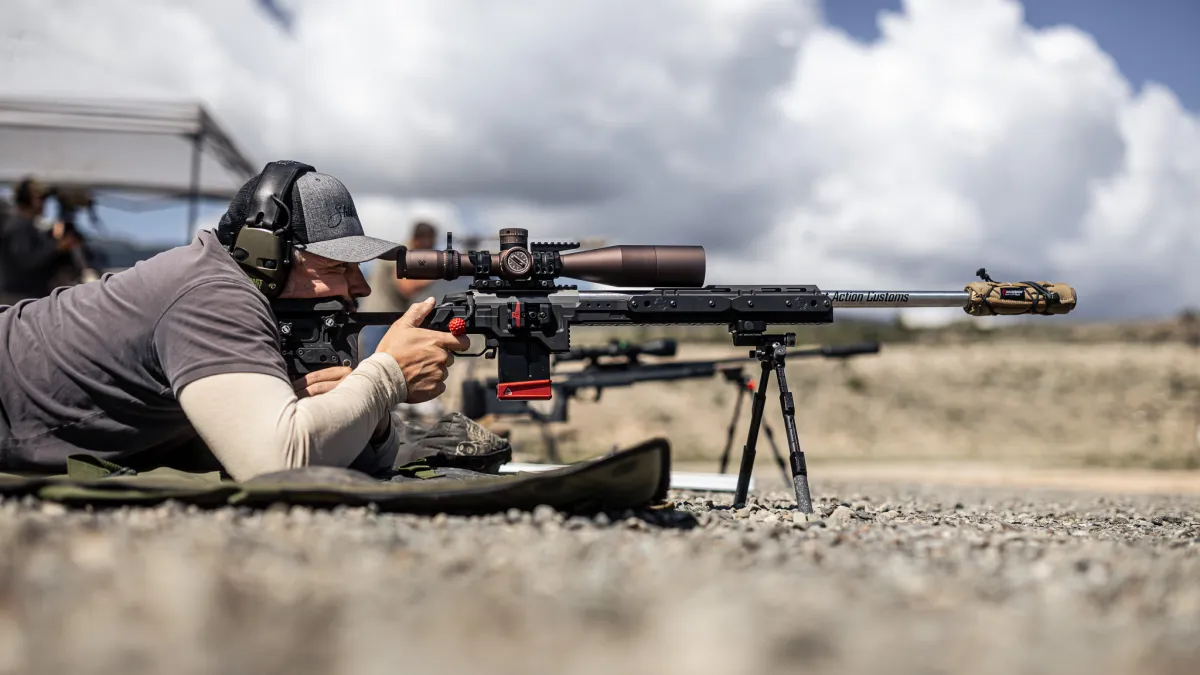
Competition lane · Performance preview
Performance
A preview of our competition-focused training lane.
- Lane
- Competition-focused
- Length
- 2-3 days, live fire
- Class size
- 8–12 students
- Tuition
- from $1,500
Who it's for
Ready for the next problem.
Performance is our competition lane, for the shooter who's already got a repeatable process and wants to make it hold up on timed stages, in the wind, off props, and against the clock.
The final curriculum is still being lined up, so this page is a preview of where the class is headed: stage planning, positional execution, match wind decisions, the mental game, and honest performance debriefs.
This is not a replacement for Foundation or Advanced. If you need the bridge from fundamentals into positions, start with Advanced and the Foundational Mechanics material.
What to expect
Four preview focus areas.
This is a preview, not a locked day-by-day curriculum. The exact class flow is still being lined up, but these are the problems Performance is built around.
-
The repeatable shot process, under pressure
We revisit the seven-phase shooter's checklist you already see in Foundation and Foundational Mechanics, then ask it to survive match-style problems. The point is not to introduce a new checklist. It's to keep the same process intact while the position is less comfortable, the time is tighter, and the wind is less forgiving.
-
Stage planning and positional execution
Known emphasis areas include planning a stage, building positions efficiently, and solving support that is not prone-friendly. We keep coming back to the same positional triangle from Foundation and Advanced (comfort, stability, and recoil management), then test it from barricades, obstacles, and tripod-supported positions under time.
-
Match wind decisions
Performance has included advanced wind work: reading the condition at your position, comparing it downrange, bracketing a minimum and maximum, and committing to a call under time. The final version may vary by venue and conditions, but match wind remains one of the main problems this class is designed to sharpen.
-
The mental game and debrief
The mental side is part of the class, especially the way pressure changes decision-making, position building, and shot execution. We also debrief what happened so the next practice session has direction. This is still being developed into the final Performance flow, so the page will stay at preview level until the full course sequence is ready.
Preview focus
What we're building toward.
Performance is being shaped around timed competition problems after Foundation and Advanced. These are the training themes guiding the class while the final curriculum is finished.
- Applying the repeatable shot process to PRS-style timed stages
- Planning a stage before the clock starts and executing that plan efficiently
- Building stable positions from barricades, obstacles, tripods, and other supports
- Making wind and positional decisions under a clock
- Managing wobble, recoil, transitions, and uncertainty without abandoning the process
- Debriefing shots and stages honestly so practice has direction
On the range
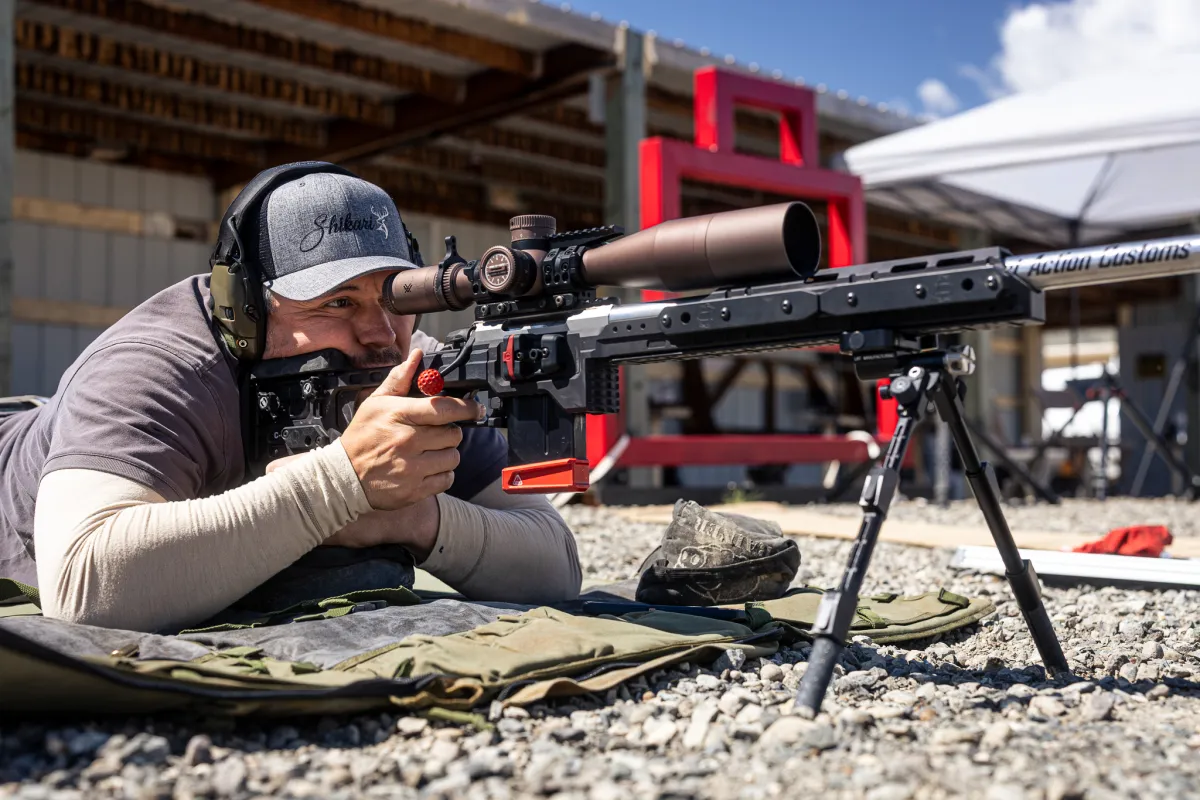
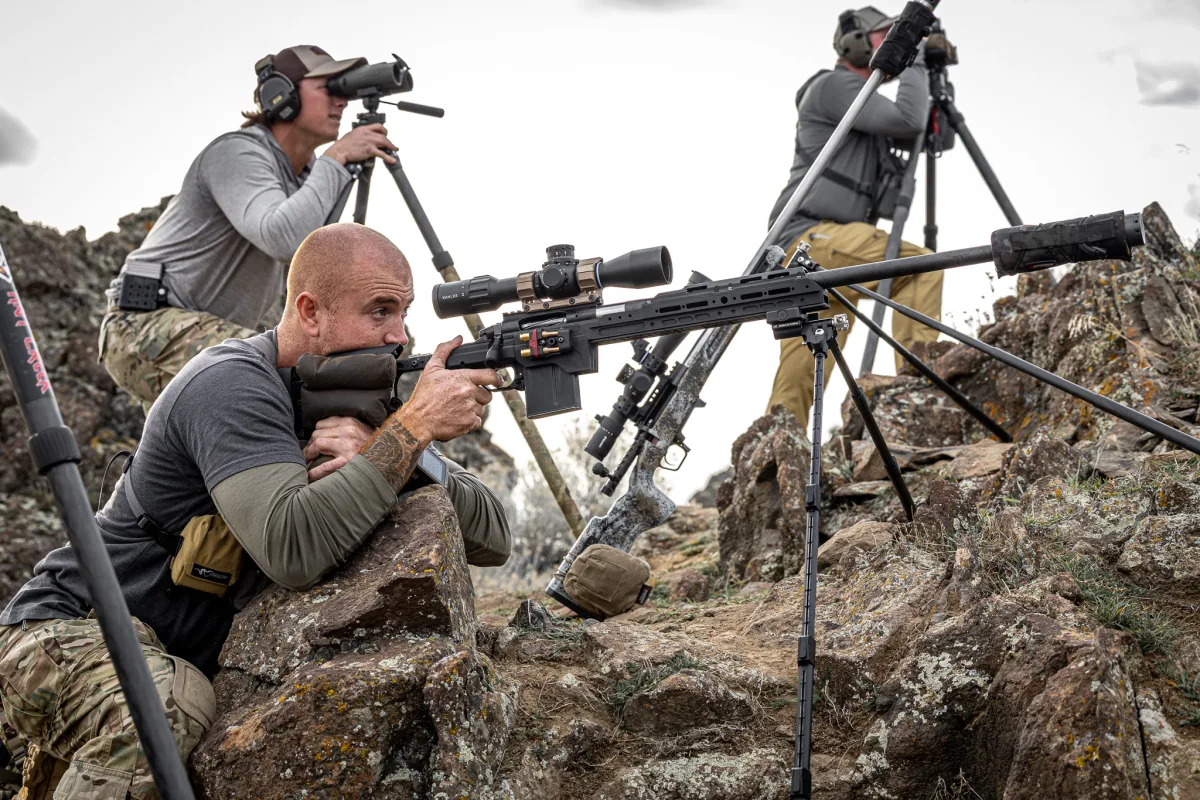
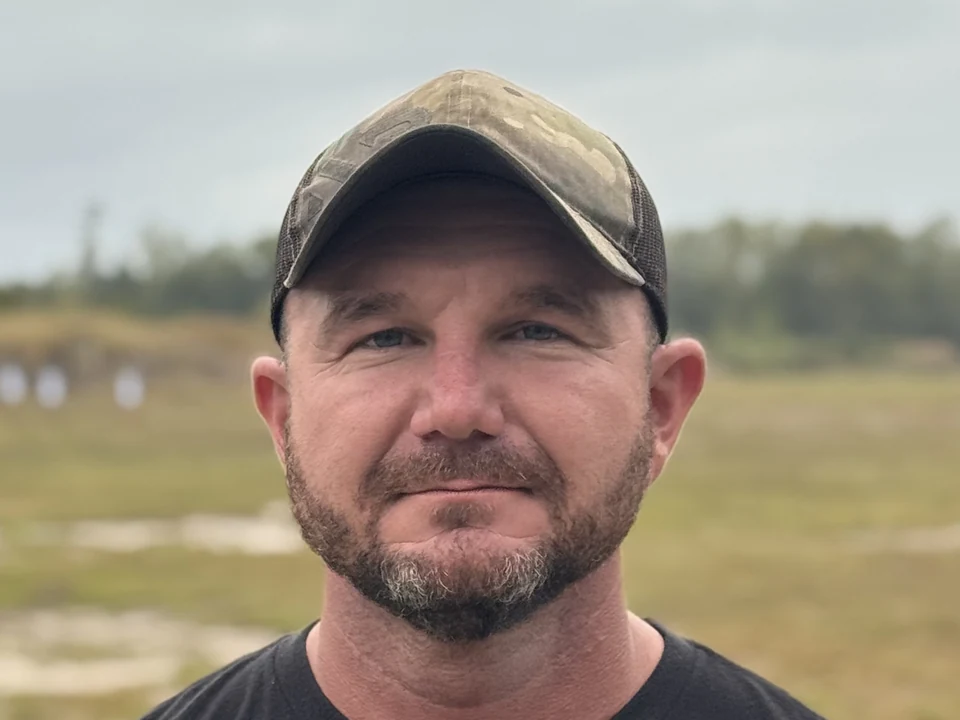
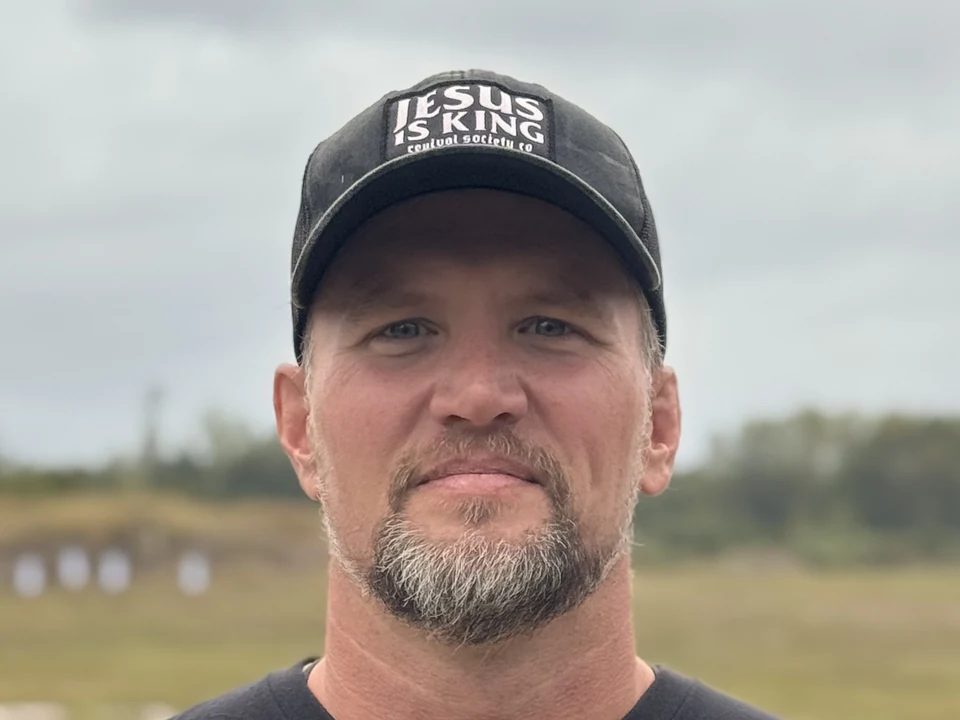
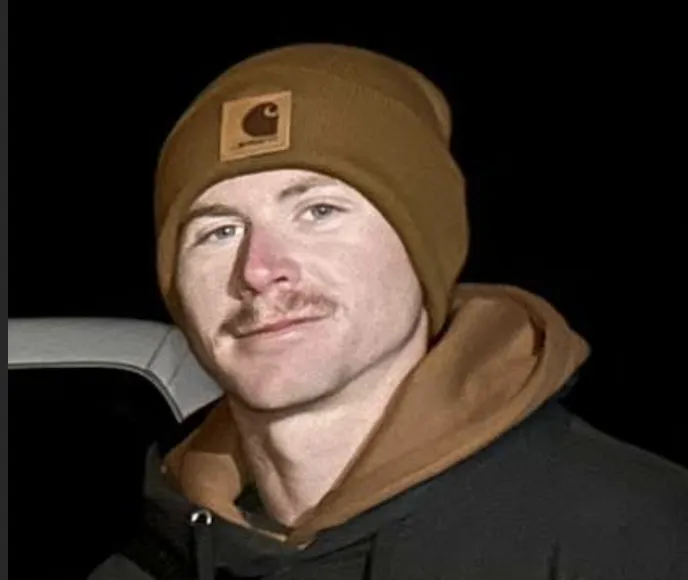
Taught by former Marine Scout Sniper instructors.
PRS podium and match wins on the record. Guys who shoot the position off the props in front of you before they ask you to. No magic, no gimmicks. Just performance work, measured honestly.
Gear & logistics
What to bring.
Come with a process that runs on its own, clean recoil management outside prone, and safe independent rifle handling.
- A complete precision rifle setup capable of under 1 MOA, with a rough zero
- A precision optic (MOA or MIL) with an anti-cant level
- Bipod, rear bag, and two magazines
- A ballistic solver. Hornady 4DOF is free.
- Note-taking material
- 400 rounds of match-grade ammunition, minimum, same lot
- Recommended: a tripod, chronograph, wind meter, and a phone mini-tripod for trigger-cam
A full gear list (required, recommended, and personal sustainment) is sent the moment you register.
See the gear our instructors runTrain with us
Ready for the next level?
Performance dates will appear with the rest of the class schedule. Seats stay limited so the work can stay focused and the instructor feedback can stay direct.