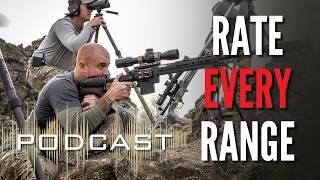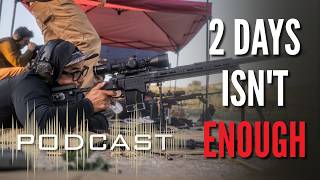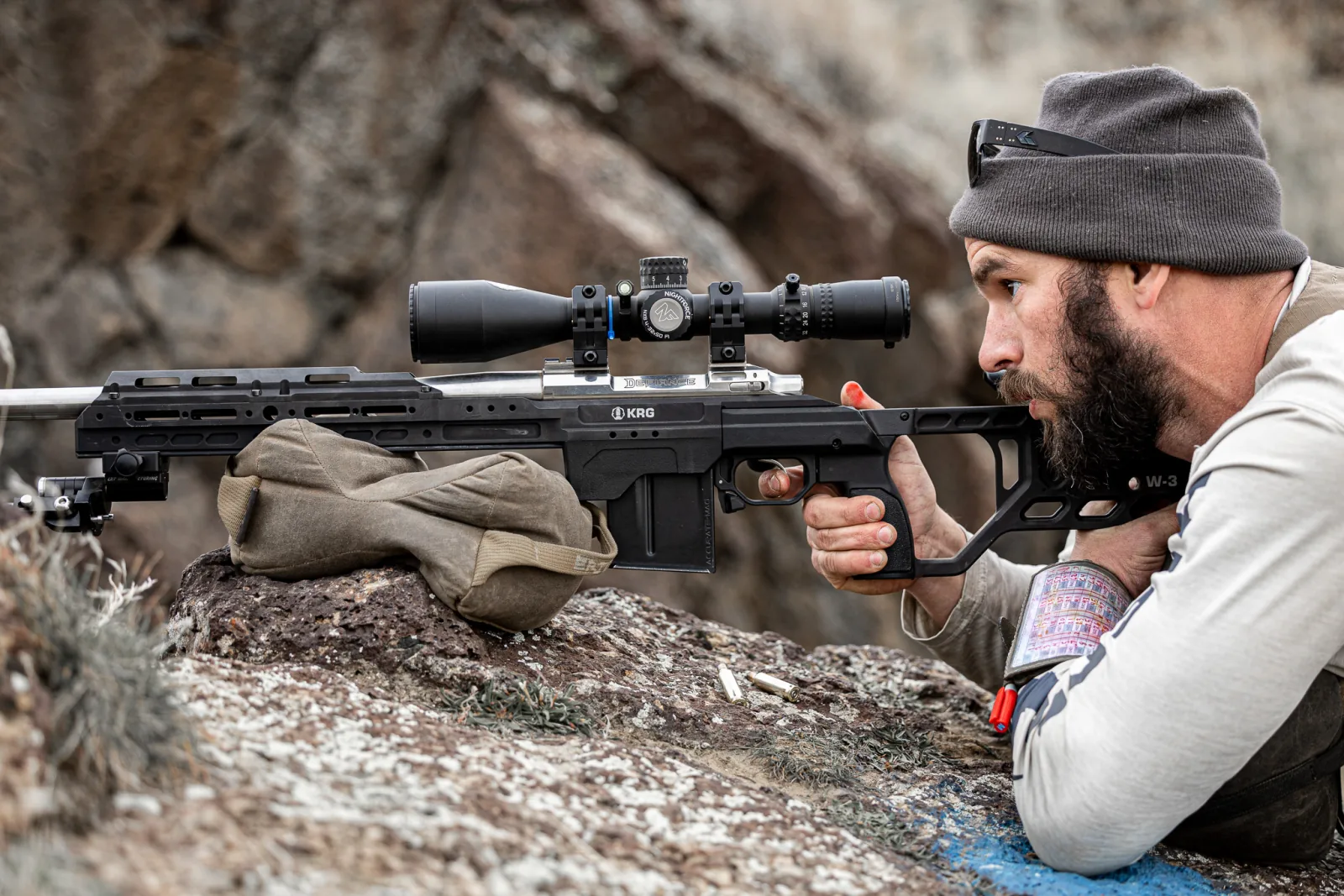
Eric went through Scout Sniper School three times before he earned the HOG's tooth. He'll tell you that himself, no flinching. The first time, he missed the known-distance test by a single hit. The second time he was high shooter and high stalker, on track to graduate, and broke his ankle four weeks out. Medical drop. He re-enlisted, came back as a third-phase pickup, and finished.
You say resilience. I say stubbornness.
He grew up in Pennsylvania, split between Pittsburgh and Scranton, one of seven kids, and the only one who joined the military. His father, a Navy veteran and surgeon, got him into hunting young. His first bolt gun was one of his dad's Tikkas, chambered in .243, and he spent his teens after whitetail, varmints, and turkey. Nobody taught him how to square up behind a rifle back then. He teaches his own dad that now.
He joined the Marines straight out of high school. Part of it was simple. He'd been told it was the hardest thing going. Then the towers came down, and that sealed it.
Eric came up through 1st Battalion, 5th Marines and screened for the sniper platoon as a young Marine who could outwork almost anyone in the workup but had everything left to learn about the actual craft. "I was a pig for three years, and I was not great at it," he says. He could shoot from day one. The rest came harder: fieldcraft, concealment, employment, and the discipline to do the job right. The seniors who'd poured their time into him kept giving him the chance to grow into it.
Three times through
The known-distance failure hit hard. His first team leader had texted him "with your shield or on it" when he checked in. Then he came up one hit short, got dropped, and went back to the platoon to get razzed for it. "I'm always going to be a failure in that aspect, because I didn't get it on try one," he says. "But that also drove me. You have to be better. You don't have a choice."
The second attempt hurt worse, because it wasn't a shooting failure. He was crushing the course. High shooter, high stalker. Then during an unknown-distance event he came off an obstacle wrong and snapped his ankle. He finished the course of fire and won it, then couldn't get his boot off. Dropped a few days into third phase. "Is this someone telling me I can't do this?" he remembers thinking. He decided it wasn't.
He extended, deployed to Okinawa in an air cast, healed up, then re-enlisted two years to go back one more time. He checked straight into third phase as a pickup and earned his HOG's tooth on the third try. One line from a senior stuck with him through all of it:
The tooth don't make the man. Do not rest on your laurels.
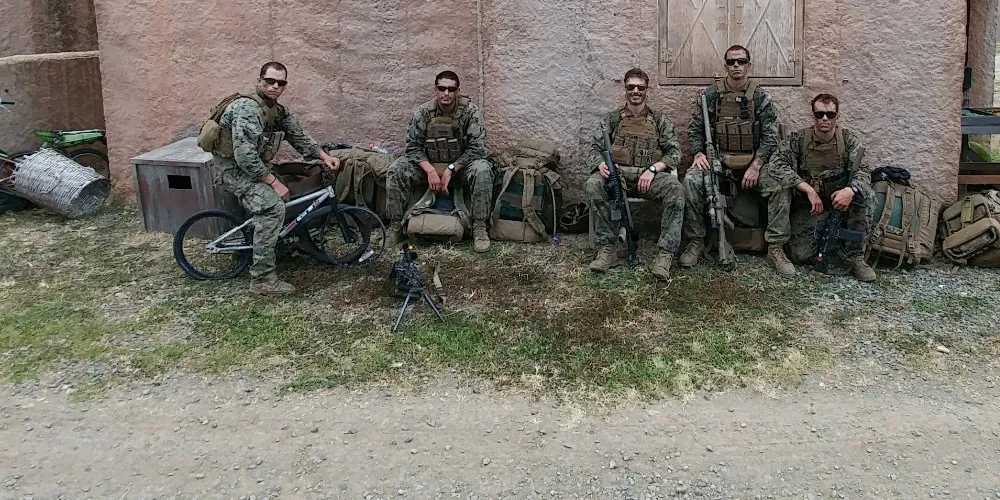
From there he stacked schools: Joint Forward Observer, Mountain Sniper, Urban Sniper, Aerial Sniper. He made team leader, eventually running one of the most experienced sniper teams in the division. Seven years in the Marine Corps, five of them in the sniper platoon, before he got out in 2018.
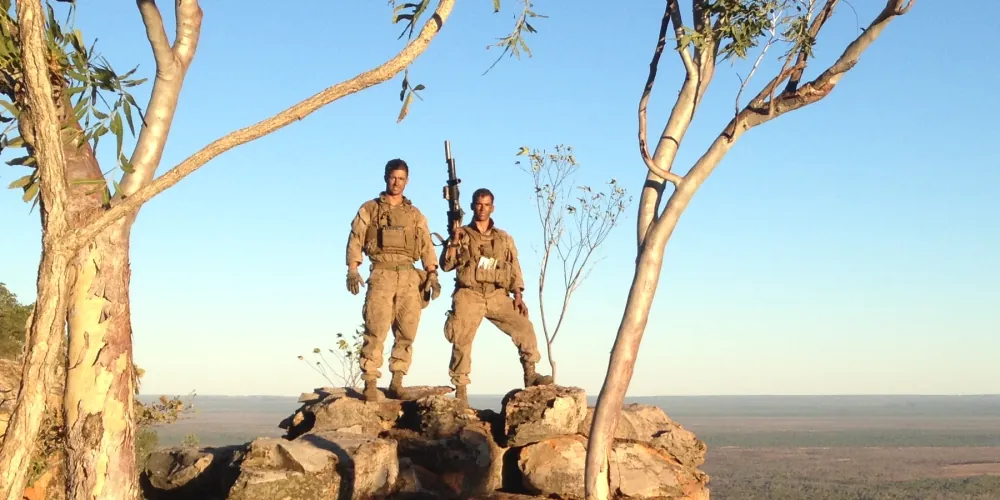
Finding the next thing
The next chapter was less direct. He tried college, worked at an indoor range, and then spent several years overseas as a security contractor. In 2026 he stepped back from contracting to focus on teaching, competition, and The Cadre.
Teaching is where it clicked. On one of his breaks between trips, he helped Phil teach a class in Arizona, got handed a husband and wife to work with, and watched the wife's light bulbs go off one after another until she was outshooting her husband by the end of the day. That was the moment instructing made sense to him.
When Phil called to put The Cadre together, Eric was still contracting. The line that got him in was simple: "If I could, I'd do it for free." Phil says he basically has.
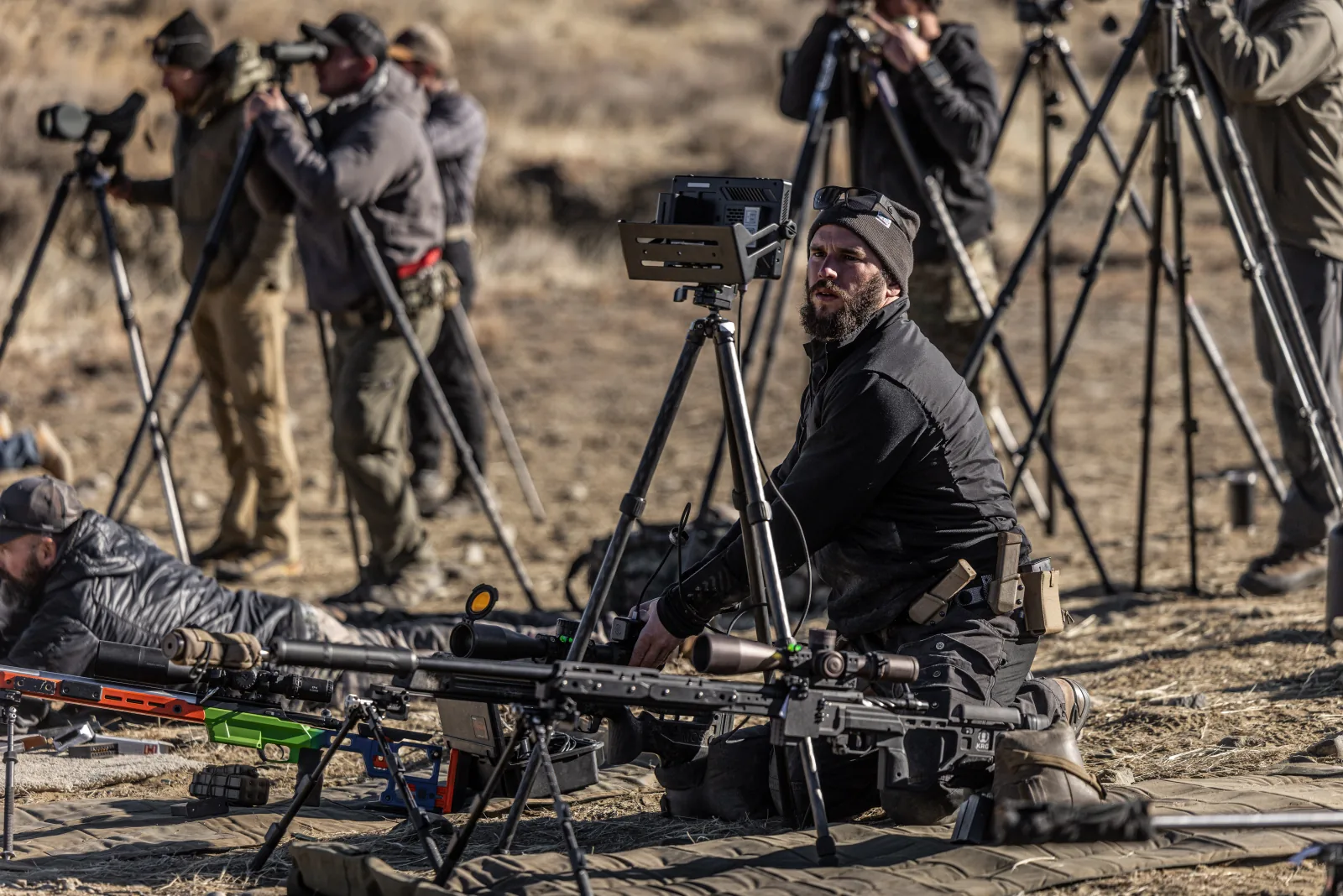
Still learning
That's why he still competes. He shoots NRL Hunter and is honest about the days it humbles him. "We owe it to our students to go out there and fail, then figure out what's working and what's not," he says. He'd rather hand you something he's tested than something he read on a forum.
He recently stepped into the role of PRS match director at Parma Rod and Gun Club, where he's working to build out the club's monthly one-day matches and grow a stronger sense of community, ownership, and involvement among local shooters.
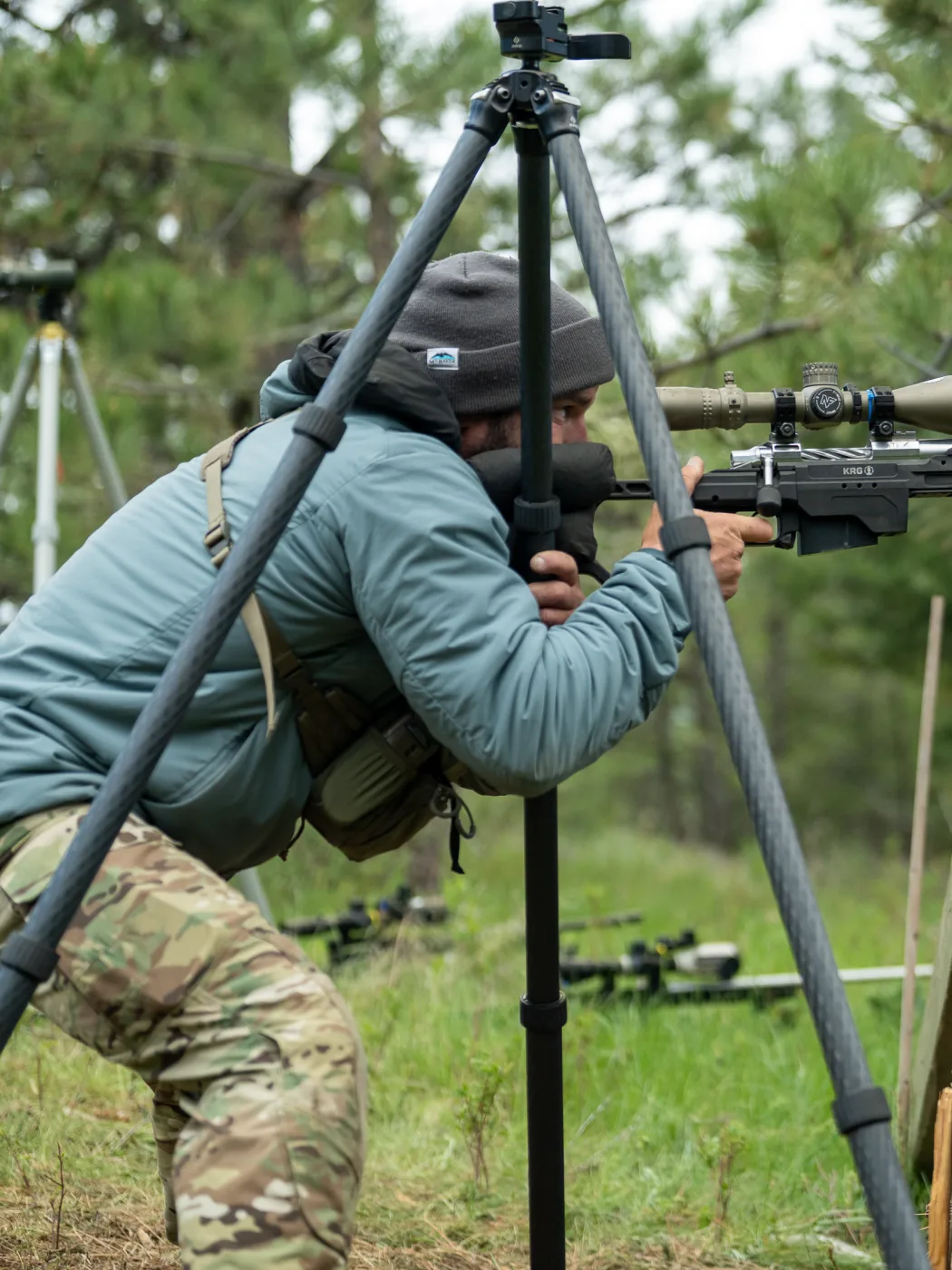
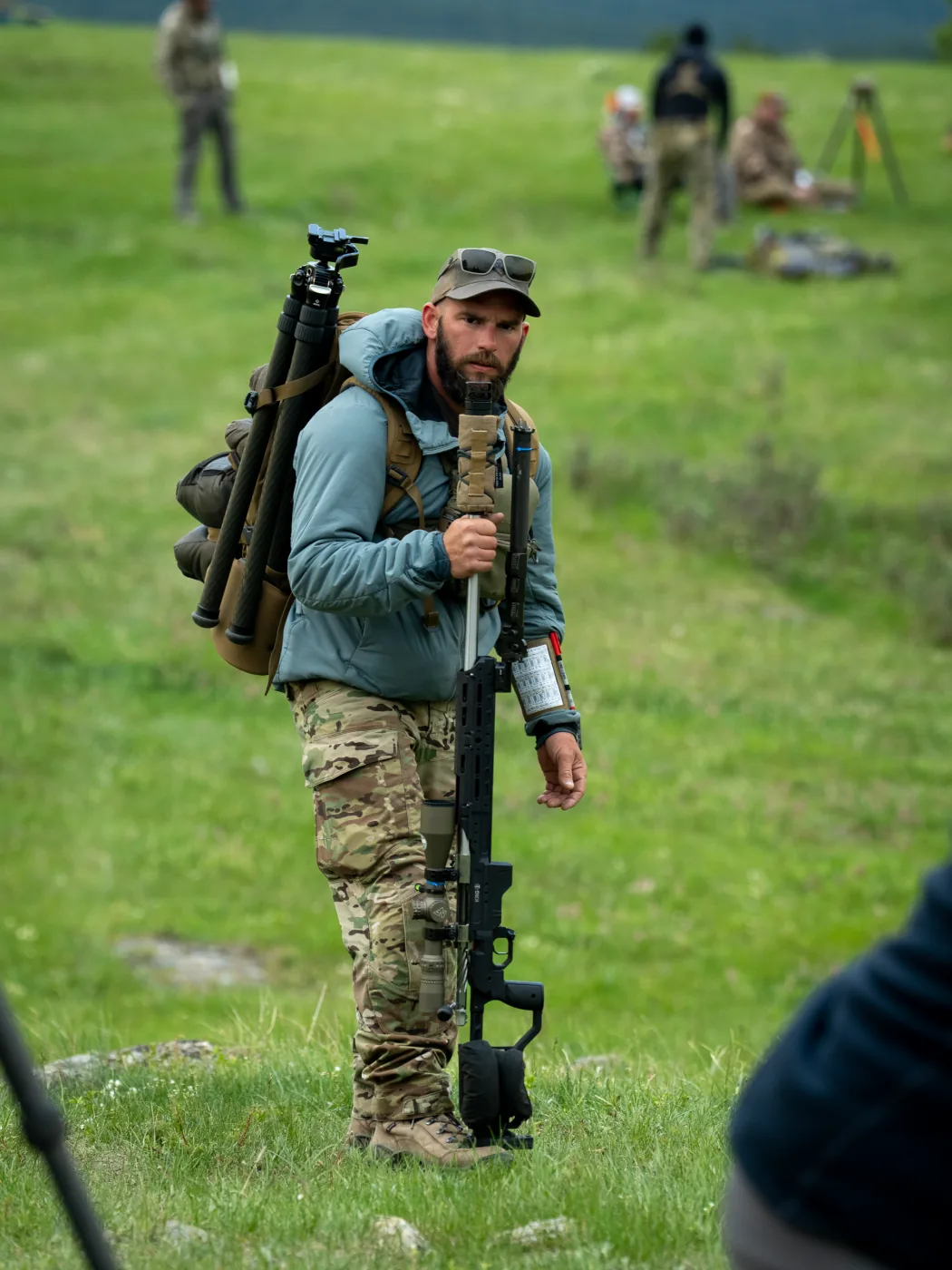
Off the range
These days Eric lives in Idaho. He's recently married, with a German shepherd puppy named Hans, after the villain in Die Hard, which he'll argue to anyone is a Christmas movie. When he's not on the range, he's usually hunting, skiing, or loading ammo. He stays sharp through competition, training, and education. He is also studying CNC machining.
How he teaches
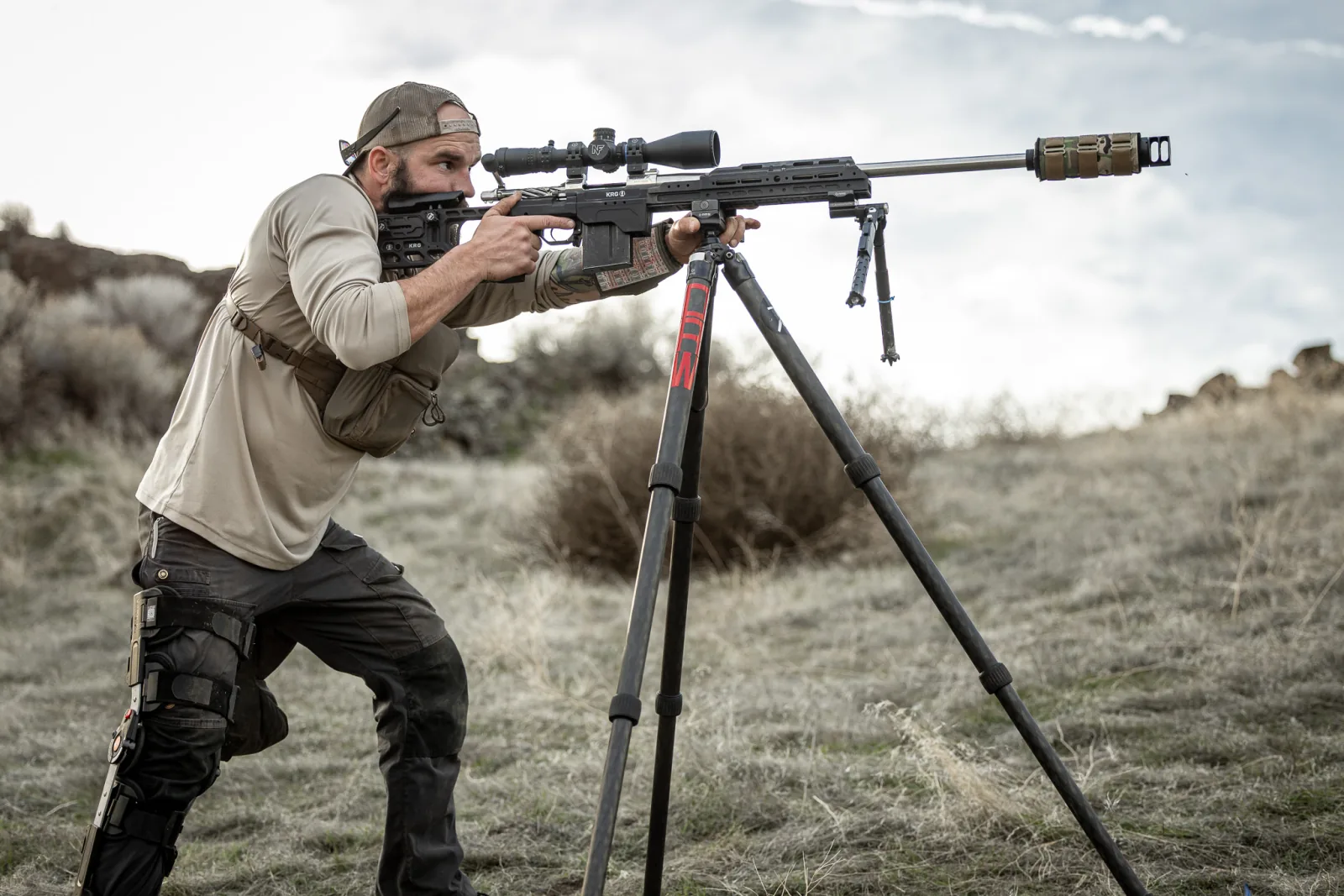
Eric's framing is blunt: The Cadre isn't teaching people to be snipers. "We're teaching them how to shoot a rifle accurately, at distance, and quickly, from improvised positions." Shooting, he'll point out, is shooting. The fundamentals don't change just because the context does, which is why he can strip it down, focus on what matters, and teach it clean.
He's done it under pressure. He's taken a Marine who'd never shot past 500 yards, put a trigger cam on him, and had him making hits at 900 and then 1,300 inside two hours. The fundamentals don't change: body position, trigger control, natural point of aim, follow-through. What he adds is everything he learned from getting it wrong himself.
He'd rather you find it out for yourself. He pushes students to explore and experiment, to test ideas firsthand instead of taking his word or anyone else's secondhand.
I have learned more from missing a target than I ever have from hitting one.
More from Eric