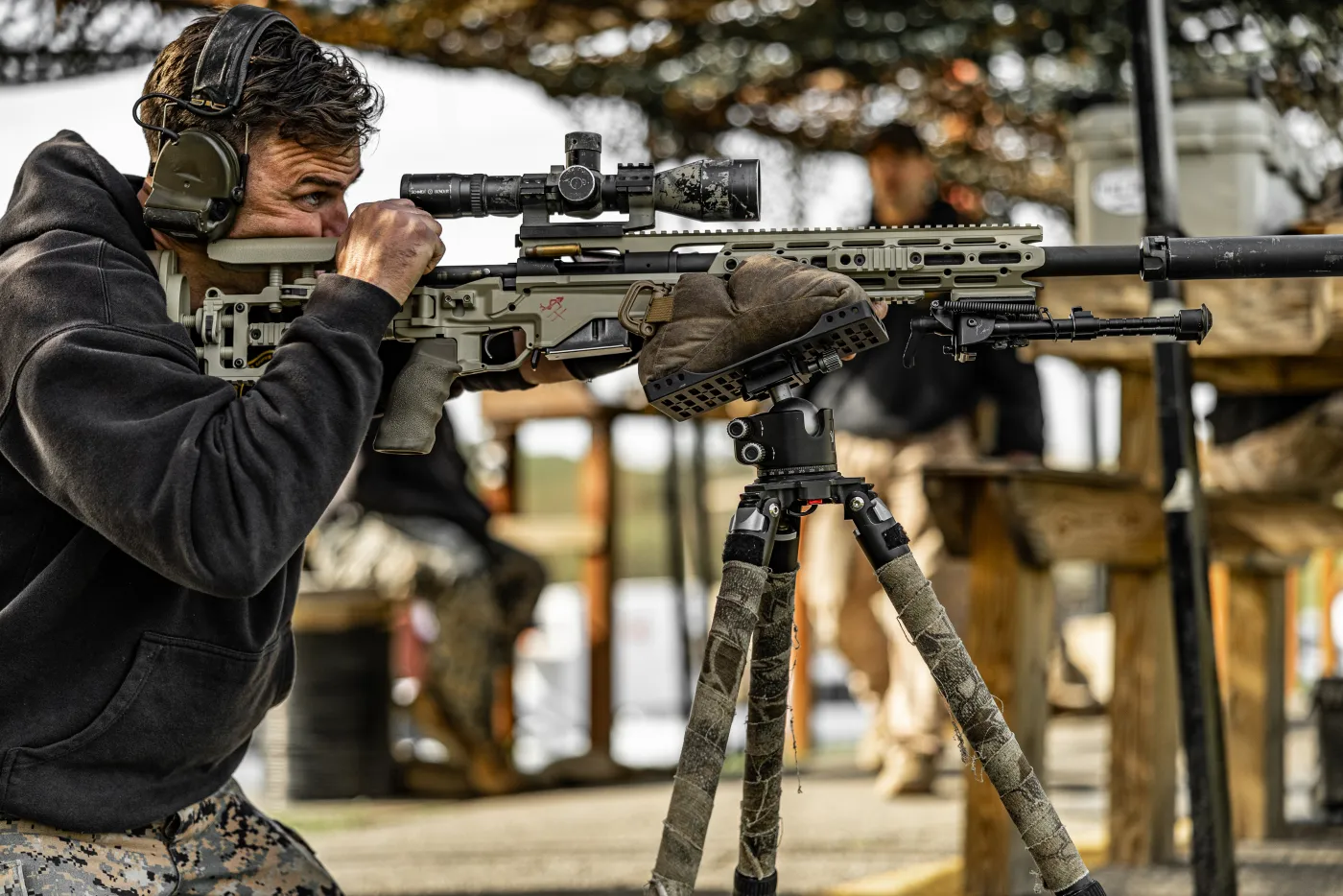
Steve found shooting early.
Growing up in Southern California, he was the kid with G.I. Joes on the shelf and cap guns and BB guns all over the yard. He cut his teeth on pellet guns and .22s in the Boy Scouts, building the fundamentals that made him stand out as a marksman by the time he joined the Marine Corps in 2005.
After passing BRC he checked into 1st Recon Battalion at Camp Pendleton, working first as an assistant radio operator before his team leader picked him as a spotter, the job that hooked him on long-range shooting. He deployed to Iraq in 2006. As time went on, much of the battalion's sniper talent was pulled to stand up MARSOC, leaving a gap in the next unit headed overseas. Steve's command sent him to fill it: urban, mountain, and advanced sniper courses, plus high-angle and high-wind work under Todd Hodnett in Utah and Texas.
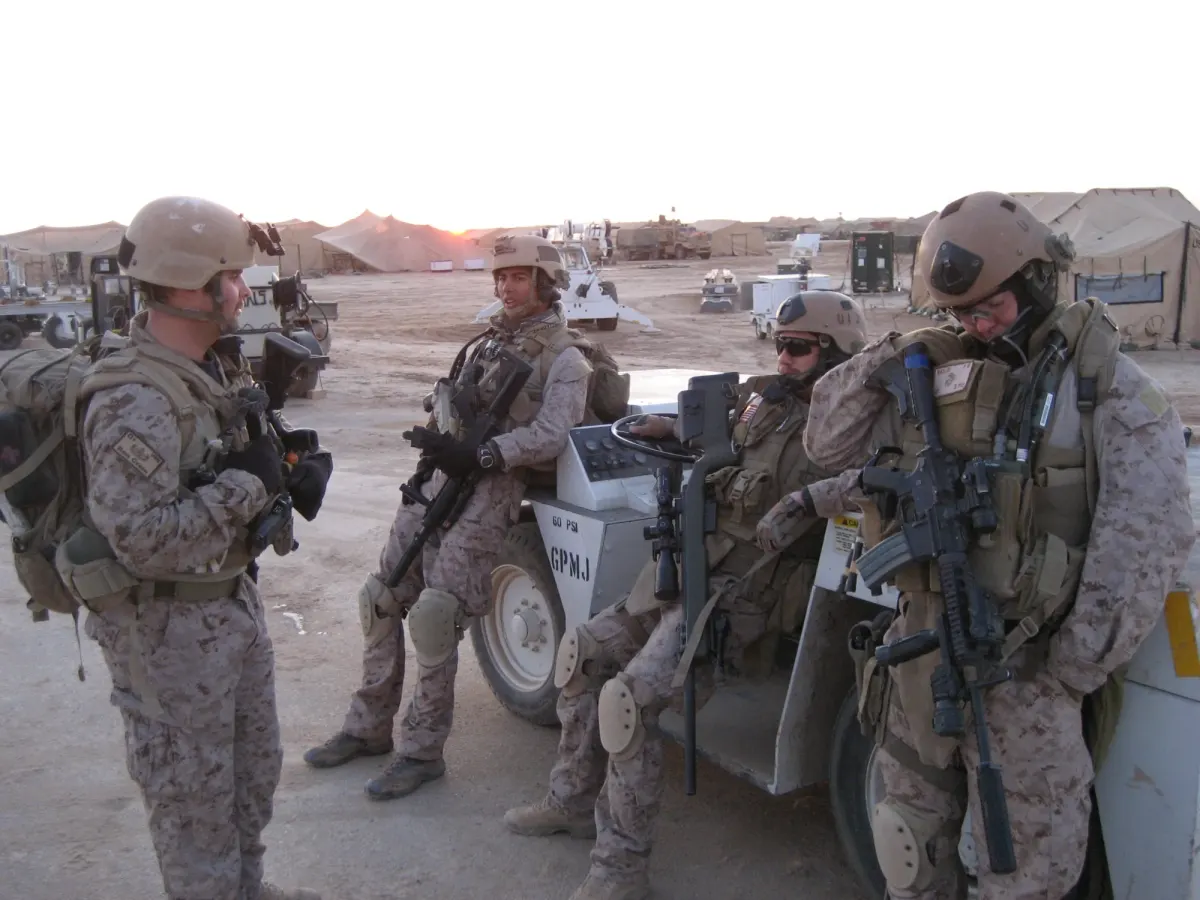
Master instructor
He went back to Iraq as a team leader and sniper containment element leader on a helicopter raid force. Then he spent four years teaching the Patrol Phase at the Reconnaissance Training Center, where he found he loved instructing and earned the title of "Master Instructor".
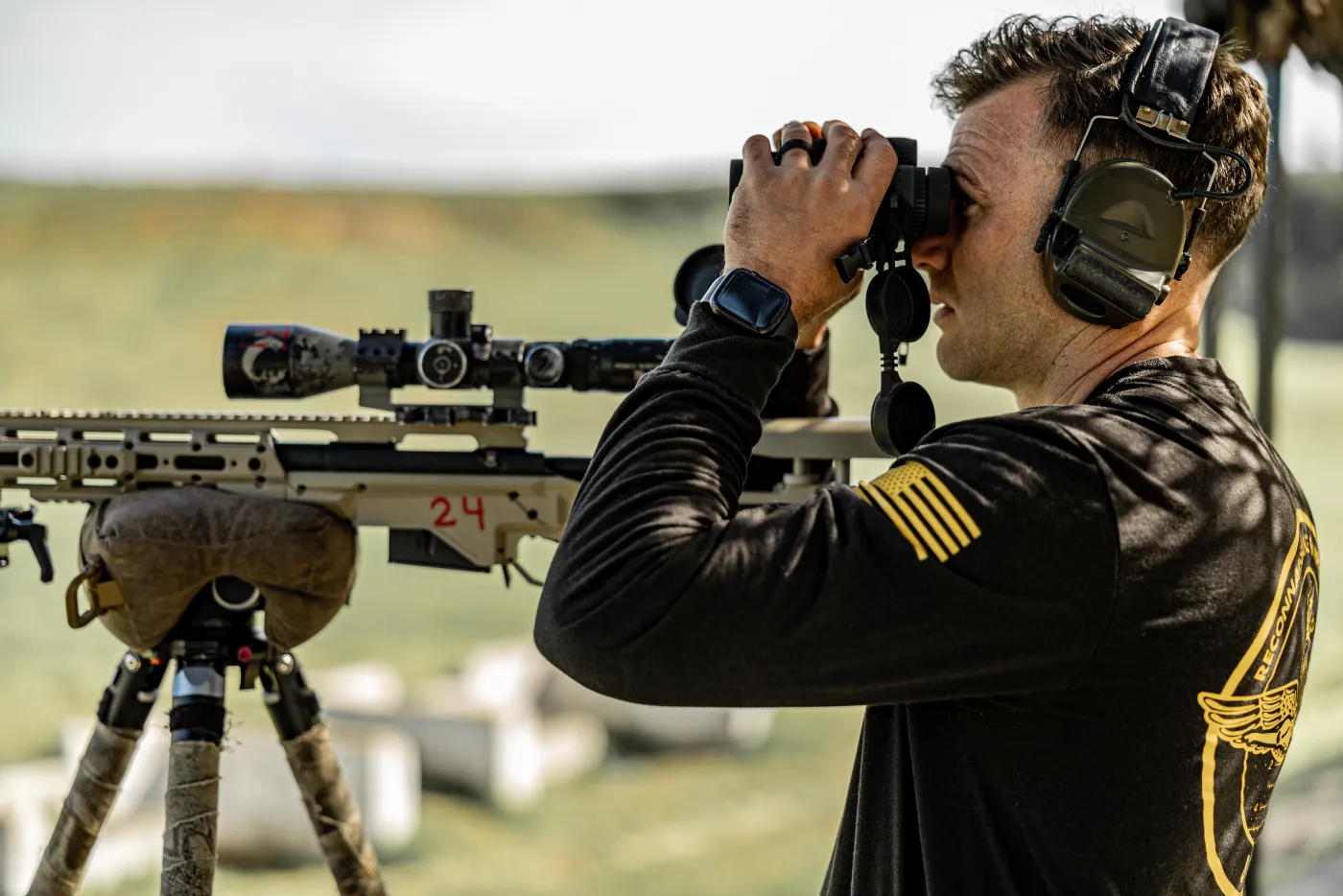
High spotter
After a final team-leader deployment with 1st Force Recon, he finally got the opportunity to attend Marine Corps Scout Sniper Basic School. And with all that experience under his belt, he was a student again, with Phil Velayo and Jon Bumpus as his instructors.
Phil, reflecting on Steve and his experience, called it "a level of humility that was absolutely phenomenal." No bravado, no attitude about being the senior guy in the room. Just a student focused on getting better.
During scout sniper basic, on known-distance qualification day two, Steve was spotting for six shooters at once. Six students were relying on his wind calls to pass. All six passed.
His partner throughout the class was a Navy SEAL who ended up getting high shooter. Phil dubbed Steve "High Spotter" of class 2-15.
"He's the reason that half the class passed known distance." — Phil
After graduating, he went back to 1st Force Recon and completed the MARSOF Advanced Sniper Course. Then he moved to the Reserve as a Training Chief, which gave him the flexibility to start teaching precision rifle to civilians and law enforcement on the side. When the Corps stood up the Recon Sniper Course, Steve was brought on to teach it and was named Best Instructor in his first course.
Trading a rifle for a hose
He retired in 2024 with 20 years of service, out as a Master Sergeant. These days he trades a rifle for a hose: he's a captain with a California fire department. Free time goes to family, mountain biking, and coyotes.
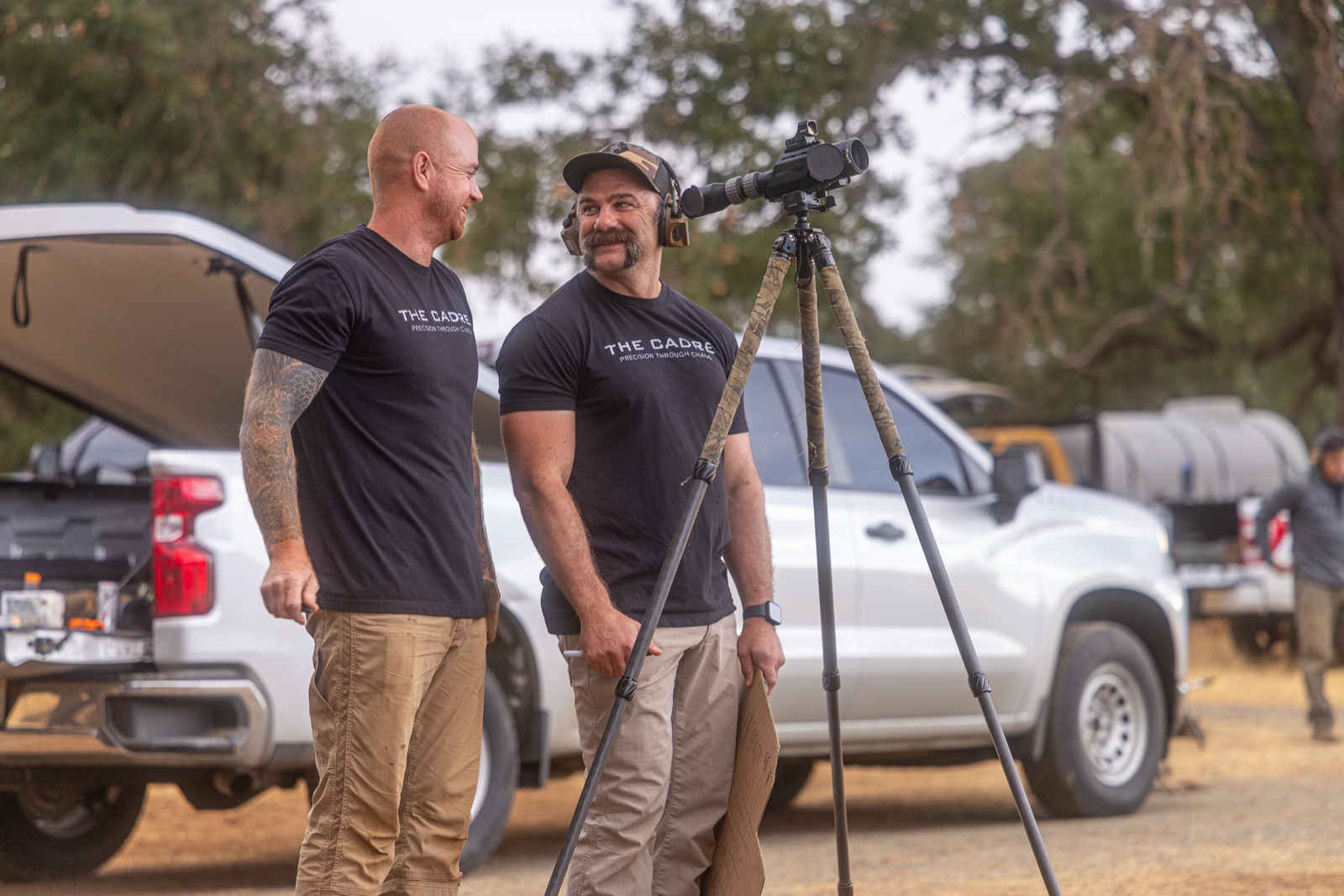
Coyotes are his thing. He's after them any chance he gets. He's not chasing competition podiums or match points; he'd rather be glassing a hillside at dawn than running a stage on the clock.
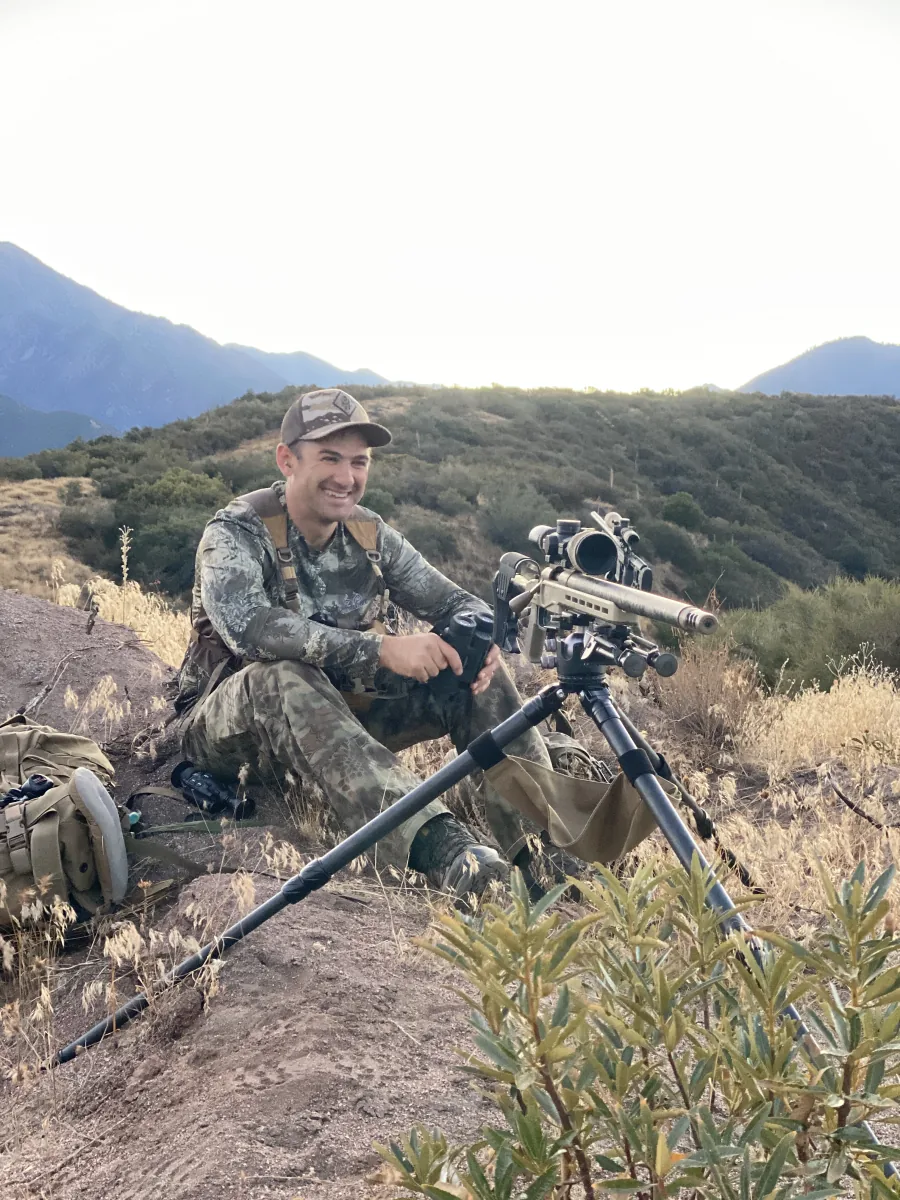
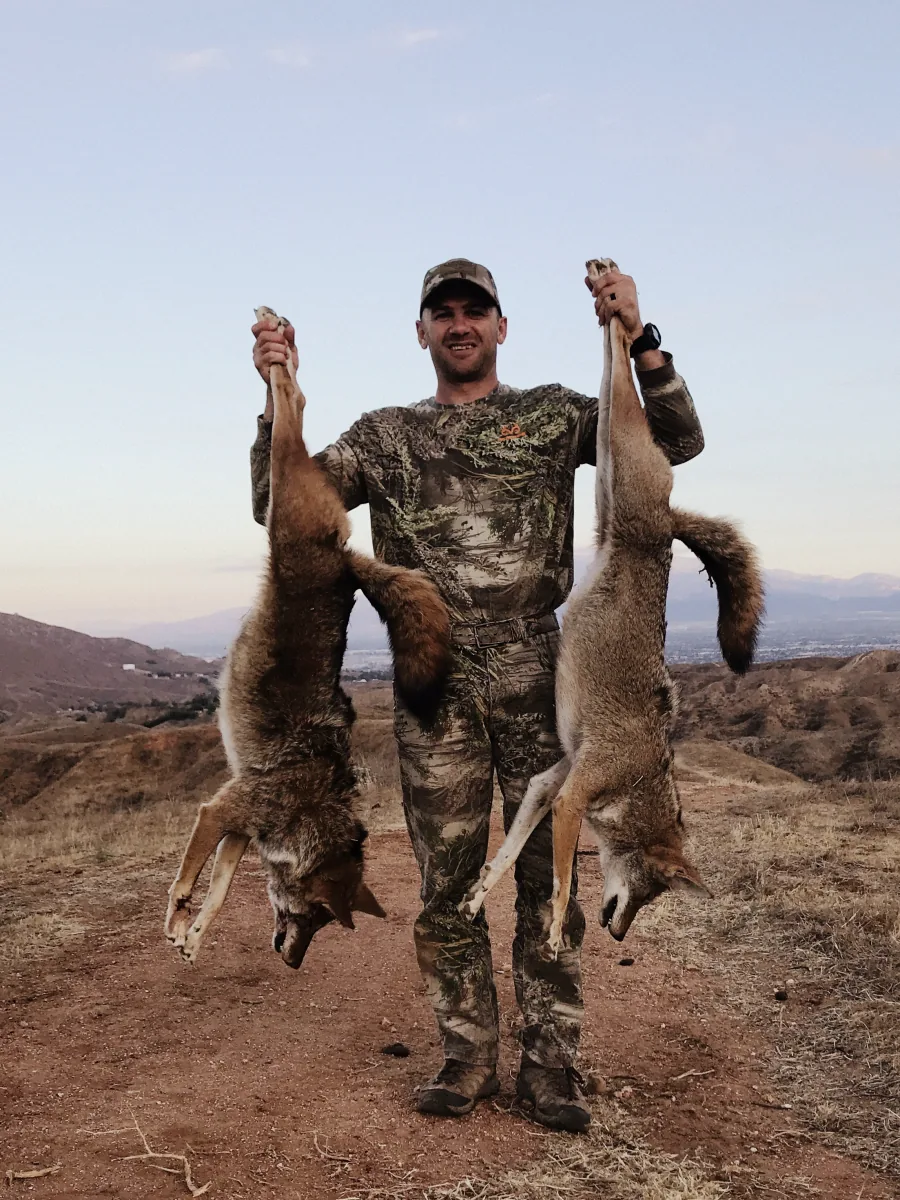
Lately he's been shooting the 6mm ARC and he's sold on it: flat, light on recoil, and plenty of gun for the shots he actually takes in the field. That same practical streak runs through how he teaches rifle setup and troubleshooting: mechanical accuracy is what your rifle's capable of in a vice; practical accuracy is you plus the gun. Know the difference, and you stop blaming your rifle for what's actually you.
"If you buy guns long enough, eventually you'll get a gun that doesn't shoot." — Steve
How he teaches
Hunter's perspective
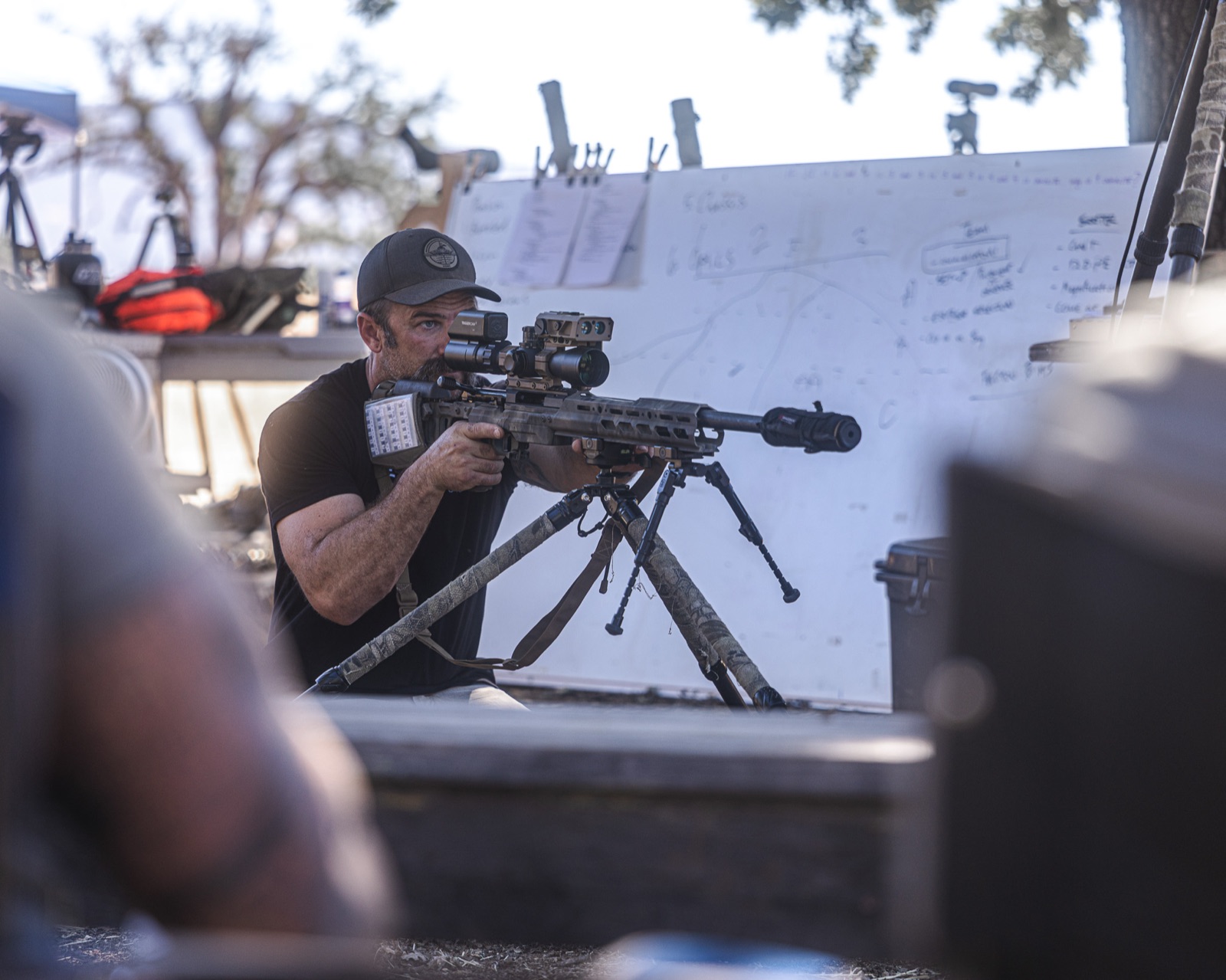
Steve teaches the way he hunts: slow down, read your conditions, and make the first round count. You won't burn through drills for speed. You'll build the wind-reading habits and positional shooting skills that hold up in the field.
More from Steve
Watch and read
On the podcast
 Limited Time, Limited Ammo: How Scout Snipers Prep for Hunting Season (opens YouTube in a new tab)
 Inside a Precision Rifle Foundation Course: Instructor Debrief with The Cadre (opens YouTube in a new tab)
 New Gear, Course Philosophy, and What Defines Advanced Shooting with Steve Holland (opens YouTube in a new tab)